Search Results
772 results for “routine”

Why Cats Feel Fear and Anxiety
A cat's fear and anxiety are learned, not innate, and come from strangers, new pets, sudden movements, loud noises, leaving home, and especially punishment. Socialize kittens before 11–12 weeks, introduce new animals slowly through scent, avoid startling play, cushion noise, and replace scolding with trust-building to keep a cat confident.

Why Does a Cat Shake Its Head Repeatedly?
An occasional head shake is normal, but frequent shaking usually means a pathological itch — most often a foreign object, ear mites, or otitis in the canal. The clues differ: ear mites leave dry, coffee-ground, foul-smelling black-brown debris, while inner-ear infection leaves wet, oily discharge; both need a vet's confirmation, then cleaners plus mite medication or antibiotics.

How Much Does It Cost to Own a Dog?
Owning a dog costs far more than the purchase price — routine care for a small-to-medium dog runs roughly $740–$1,325 in the first year and $500–$875 each year after, while a large or giant breed costs more and lives shorter. Budget for veterinary care, vaccines, parasite prevention, food, and basics like a collar, crate, and training, and expect costs to climb with age and any unforeseen illness.

Why Is My Dog Vomiting Yellow Foam and Mucus?
Yellow foam and mucus usually mean gastroenteritis, but the cause can also be parvovirus, indigestion from overeating, irregular feeding, internal parasites, or a swallowed foreign object. Because the causes range from mild to life-threatening, a dog that vomits repeatedly needs a veterinary diagnosis.

Why Is My Cat Having Diarrhea Again?
Diarrhea is loose or unformed stool from food moving too fast through the gut to absorb water and nutrients, and it can be acute or chronic. Causes range from infections, parasites, and diet changes to stress and underlying gut disease; at home, keep water available, feed small frequent easily digested meals, and use smectite or pet probiotics for mild cases — but see a vet for blood, fever, lethargy, or ongoing diarrhea in an unvaccinated cat.
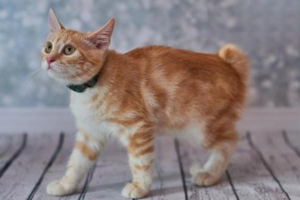
Does a Cat Need to Fast Before a Checkup? Pre-Exam Tips
Cats should be checked at least yearly, with tests matched to age — and a little prep improves accuracy. Keep life calm for a week before, fast only if blood glucose or bile-acid tests are planned, and bring a note of any changes (drinking, weight, vomiting, litter habits) to discuss with the vet.

How Do Dogs Develop Bad Habits
Most dog behavior problems are shaped by the owner, not the dog. Handlers often reinforce bad habits by accident, skip consistent training and exercise, or set rules that change from day to day, while ignoring good behavior that deserves reward.

How Is a Dog’s Teeth Professionally Cleaned
Professional dental cleaning requires general anesthesia so the dog stays still while ultrasonic scaling removes tartar and plaque, followed by polishing and, if needed, extraction of damaged teeth. Because anesthesia carries real risk, daily brushing and routine oral care at home are the best way to avoid the procedure.

Symptoms of a Bath-Induced Cold in Cats
A cat chilled by too-frequent bathing shows weepy red eyes, sneezing, runny nose, and lethargy. Prevent colds with warmth, hydration, and regular disinfection, and isolate a sick cat since the illness spreads to other cats.

How to Raise a Border Collie
Feed by age (3–4× daily as a pup down to 1–2× adult), stop at 70% full, and soak kibble for young pups. Walk daily, wash bowls after meals, avoid raw meat and chicken bones, give clean water, and switch food over seven days to avoid diarrhea.