Search Results
203 results for “rough litter”
How to Choose a Litter Box
Every cat needs a litter box, and picking the right one keeps your cat using it happily. The basic choice is single-layer (best for clumping litters like clay, tofu, or paper) versus double-layer (for crystal or disintegrating wood litter with a drawer below). Covered boxes add privacy but trap moisture and bacteria, while open ones vent better. Specialty styles include toilet-style trainers, top-entry 'snail' boxes (which can trap kittens or seniors), and self-cleaning planet-shaped units great for multi-cat homes but risky if a cat enters mid-cycle. Whatever you choose, scoop daily and wash weekly — but keep a little old litter so the scent stays familiar.
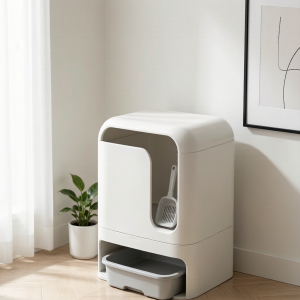
Litter Box Care: Setup and Maintenance
The effort you put into choosing, placing, and caring for the litter box is vital to your cat's health and happiness. Wrong elimination (peeing outside the box) hurts both cat and owner.

How to Train Your Cat to Use the Litter Box
Cats may seem untrainable, but they respond to cues when there is a reward in it for them. Use food rewards paired with a sound to teach any behavior—including proper litter box use. Never punish inappropriate elimination; it raises stress and makes the problem worse.
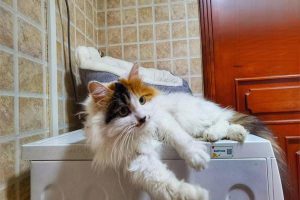
How to Train a Young Kitten to Use the Litter Box
For orphaned or early-separated kittens, litter training is simple with the right setup, an open, low-sided box in a quiet spot, and a calm routine. Guide the paws after meals, naps, and play, and be patient.

Why Cats Urinate Outside the Litter Box
Cats are naturally fastidious, so inappropriate urination almost always points to a solvable issue, a dirty or cramped litter box, hormonal marking, stress, or a urinary problem. Identifying the trigger is the first step to fixing it.

How to Train a Cat That Poops or Pees Outside the Litter Box
When a cat starts eliminating outside the litter box, it is usually signaling something specific: an unpleasant box, stress, a medical problem, or territorial marking. Figuring out which pattern you are seeing is the key first step, and most cases improve once the underlying cause is addressed.

How to Stop a Cat From Eliminating Outside the Litter Box
A cat that won't use its litter box is usually reacting to the box itself—too small, too dirty, poorly placed, or simply never learned. Match the box to the cat's size, keep it clean and private, and gentle training builds the habit.

Helping Your Dog Through a Safe Pregnancy
A pregnant dog needs extra calcium, quiet, gentle exercise, careful handling, and measured nutrition. Meeting these five needs helps the pups grow and keeps the mother steady through to a smooth delivery.
Why Your Cat’s Paw Pads Are Peeling
Peeling paw pads can be as simple as low vitamin B, dry weather, or rough litter, or as serious as a bacterial or fungal skin infection. Most cases improve with water, a little balm, and softer litter, but itching, hair loss, or scabs mean a vet check. This guide covers the common causes and what to do.

Common Health Issues in Exotic Shorthairs and How to Care for Them
Exotic Shorthairs are prone to eye discharge, a short nose with breathing trouble, malocclusion, delicate paw pads, ear issues, and coat/skin problems from poor self-grooming. Daily cleaning, brushing, and early vet care keep these in check.