Search Results
104 results for “ringworm”

Why Is My Husky’s Nose Peeling?
A peeling Husky nose often signals a skin infection—fungus, mites, or fleas. Treat the specific cause promptly, and always disinfect the environment afterward so the problem does not return.

Autumn Care Tips for Your Cat
Autumn raises three risks for cats: skin trouble from dampness, hairballs during shedding, and weak coats from poor nutrition. Good ventilation, grooming, supplements, and extra water keep your cat healthy through the fall.

Why Your Cat Is Shedding
Both long- and short-haired cats shed daily, and you can't stop it, only manage it. Seasonal change, the wrong shampoo, or stress are the usual reasons, with endocrine disease a rarer one. Brush often, use a cat-specific wash, and comfort a stressed cat to cut the loss.

Is Your Cat Shedding Just From the Season
Shedding has many causes beyond the seasonal coat blow, from poor nutrition to mites and ringworm. Tell the difference by the pattern: even, whole-body loss is normal, while patchy loss with scratching needs treatment. Good food, isolation, and a clean home keep excess shedding in check.
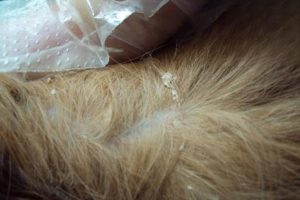
Is Matted Cat Fur a Sign of Skin Disease
Matted fur isn't automatically a skin disease; often it just means the coat wasn't brushed. But mats trap moisture and oil, creating a breeding ground for infection, and ringworm or an old wound can also cause clumping. Regular grooming and the right ringworm care keep the skin healthy.

Treating Mite Skin Disease in Dogs
Mites hide in hair follicles and show as patches of hair loss, redness, and itching that worsen without care. A vet check, a skin spray and ointment, and a clean, dry, disinfected home bring the fastest recovery.
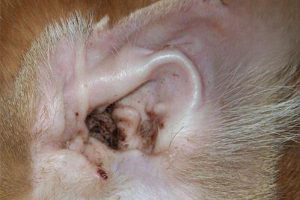
What Are Cat Ear Mites?
Ear mites are parasites on the outer ear canal that cause dark, waxy debris and can lead to infection reaching the middle ear or even the brain. Isolate the cat, clean daily with an ear solution, and follow a simple 4-step cleaning routine to clear a mild case in 1–2 weeks.
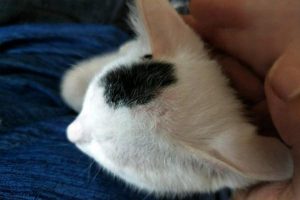
What Those Hard Lumps on a Kitten’s Head Mean
A hard, painless white lump on a kitten's head that neither grows nor fades is often a sign of ringworm. Ringworm comes from contact with fungi like Microsporum canis or Trichophyton, thriving in damp, dirty places. It causes scaly spots and hair loss, is contagious to people, and needs vet care plus topical antifungal ointment and good hygiene.

Why Your Teddy Keeps Scratching and How to Help
A Teddy that won't stop scratching may just need a bath, but it can also mean mosquito bites or ringworm. Bathe and dry thoroughly for dirt; use a vet-recommended topical parasiticide for bug bites; for ringworm, clip the fur and apply an antifungal spray. Boost nutrition during treatment and check the skin often.
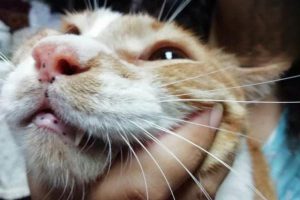
Black Specks in Your Cat’s Fur: What They Mean
Tiny black specks hidden in your cat's coat are most often flea dirt, but they can also signal ringworm or another external parasite. The quick paper test — a damp tissue turning reddish-brown — confirms flea waste. Routine parasite control and a clean, dry environment are the best defenses.