Search Results
228 results for “relax dog”
How long should a Teddy sunbathe daily?
Sunbathing 1-3 hours daily is beneficial; avoid overexposure to prevent heatstroke. It boosts immunity, coat shine, and nose color, and relieves stress and improves sleep and circulation. Bring water along.
What can scare a cat?
Cats are very sensitive and many simple things scare them. A sudden loud noise when relaxed, like a dog bark, thunder, or firecrackers, frightens them. Most cats fear water, so they are scared during baths. Facing a stronger enemy also scares them; if you often hit and scold it, it may be scared and even have a stress reaction.
How to Tell If Your Cat Is Happy at Home
A relaxed, content cat shows it in small ways: sleeping in odd poses, following you around, holding its tail high, the occasional mad dash, and kneading with its paws. Reading these signals helps you know your cat truly feels safe.
Will a German shepherd hold a grudge after being hit by its owner?
A German shepherd may hold a grudge if hit, but usually not for long. Smart and with good memory, it may react or seek revenge like a child. Avoid scolding or hitting often; soothe it gently with a soft voice and treats, and it will soon forget.

How to Prevent Seizures After a Puppy Recovers from Distemper
Seizures can appear even after a distemper test turns negative because the virus is neurotropic—central-nervous-system damage and lingering inflammation may already be set. Prevention rests on three pillars: ease neuroinflammation, protect and repair nerve tissue, and avoid triggers. Nerve-support supplements (B vitamins, fish oil, citicoline, mecobalamin) help, and high-risk puppies may need low-dose long-term anti-seizure medication under a vet's supervision. Keep the environment calm and warm, skip baths during recovery, and feed highly digestible food with vitamin E, selenium, and lecithin. Learn the early warnings—repeated nodding, limb tremors, circling—so you can act before a full seizure.
Is Your Cat Hard to Bond With? (Signs and What to Do)
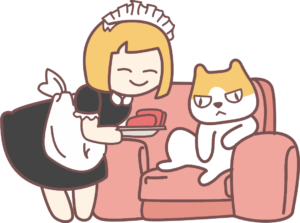
A cat that seems impossible to bond with is rarely born defiant—it usually shows clear behavioral clues and a hidden reason behind them. Such a cat refuses close contact, pretends not to hear its name, guards its food, claims a corner as territory, hides constantly, or even tries to escape. The causes range from a strong independent nature and sex differences to a stray past marked by abuse or the mood swings of an unspayed cat. The fix is patience: give the cat space, build trust through food on a fixed schedule, avoid sudden stimuli, and consider pheromone sprays. Most 'untamable' cats will gradually accept you when treated with respect.

Bichon Frise: Pros and Cons to Consider Before Adopting
The Bichon Frise is a small, fluffy, friendly companion that rarely sheds and suits apartments and families. But it is not the easiest breed to live with: tear stains are almost inevitable, its curly coat needs constant grooming, it is prone to separation anxiety, and its delicate constitution means sensitive digestion and frequent dental issues. Weigh these pros and cons before bringing one home.
Why Are Cats Raised by Elderly Owners So Calm and Obedient?
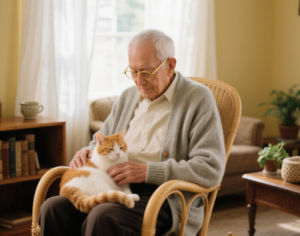
Cats kept by elderly owners often seem gentler and more obedient than the lively pets raised by younger people, and the reason is rooted in pet behavior science. Cats love calm, predictable routines, and an older person's slow, regular daily rhythm gives them a sense of safety that lowers their guard. Seniors also provide the 'effective companionship' cats value most—short, low-intensity interactions like petting and soft talk scattered through the day—rather than infrequent marathon play sessions. On top of that, elderly owners tend to be gentle yet consistent: they neither shout nor overindulge, setting clear rules while offering unconditional acceptance. This calm, secure environment lets a cat relax and show its sweetest side.

Do rabbits bond with their owners?
Yes - over time a well-cared-for rabbit feels safe and may actively nuzzle the owner's hand. But rabbits are not very smart, so a change of owner won't sadden them like a dog or cat.

The Hidden Meanings in Your Cat’s Tail
A cat's tail is a rich mood telegraph. A tail held high and quivering while the cat rubs on you is pure trust and affection (it recalls mother cats stimulating kittens to eliminate). A still tail with a hooked tip means content and relaxed; an upward wag while weaving around you is begging like a dog; a low or tucked tail signals fear; a tail sweeping the floor means alert and about to act; a puffed, thrashing tail is a clear 'back off' before attack. When the tail is perfectly still, the cat trusts you most—like family.