Search Results
228 results for “relax dog”

Reading Your Dog’s Personality From Its Sleep Pose
Sleep poses hint at mood. Belly-up is rare—dogs are guarded and the belly is vulnerable—so a dog that sleeps on its back by you feels safe and loved, and tends to be upbeat (it's also comfy). Flat-out (legs folded) is the common self-protective pose for quick reaction, often signaling low security—these dogs may sleep under beds or tables. Side-lying is relaxed yet still ready to react; smart dogs sleep lightly to stay safe. Curled-up dogs lack security too but are usually gentle and obedient—though a curled pose can also mean the dog feels unwell, so watch closely.

A Sudden Lump Appears on Your Dog
You may have experienced this: a dog that was fine a moment ago suddenly sprouts a big lump. Understandably worrying—'is it cancer? a terminal disease? a bug bite?' Learn to judge the cause yourself. Reassurance first: most lumps are benign lipomas and not hard to manage. Causes include lipoma, sebaceous cyst, hematoma, and follicle infection. Many lumps appear and vanish quickly, but answer 7 questions before relaxing: appeared suddenly? slowly growing? smooth surface? uneven? moved recently? other lumps nearby? after it appeared, any appetite loss, lethargy, vomiting, diarrhea, or behavior change? More than 4 'yes' answers means see a vet at once. Urgent signs also include rapid growth, changing shape, very soft texture, hair loss around it, or color unlike skin. Treatment: benign lumps are not costly, but no vet can diagnose by feel alone—responsible ones aspirate tissue fluid and may run blood tests and X-rays, because accurate diagnosis needs multiple tests.

Why Your Dog Keeps Changing Sleeping Spots
If your dog keeps getting up and switching spots through the night, it usually means something is unsettling them. The most common reasons are an unfamiliar environment with no sense of security, separation anxiety after boarding or time away from you, nervousness triggered by strangers or new pets in the home, or an underlying physical problem that causes pain. Most cases improve with a stable routine and a safe, comfortable den, but restless sleep joined by other symptoms can point to illness and deserves a vet check. Watch closely and respond early.

Why Has My Dog Lost Its Voice or Gone Hoarse?
Most dogs have a loud, clear bark, so when the voice suddenly fades or turns hoarse it catches an owner's attention. The cause is usually one of four things: strained vocal cords from nonstop barking, anxiety in a new home, an illness such as throat or respiratory infection, or a fright that tenses the throat muscles. While a hoarse voice is often minor and passes on its own, it can also point to pain or infection that needs a vet. This guide covers each cause and the matching response.

Why Does Your Dog Keep Shaking Its Head? Don’t Ignore These Causes
An occasional head shake after sleep or a swim is normal, but frequent, forceful shaking with scratching, redness, odor, or discharge means trouble—usually an ear infection. Bacterial or fungal otitis, ear mites, and trapped grass seeds lead the list; allergies and, rarely, ear tumors are also possible. Learn the telltale discharges, clean gently, keep up monthly parasite prevention, and see a vet if it doesn't improve in days.
Signs Your Dog Is About to Give Birth: A First-Time Whelper’s Guide
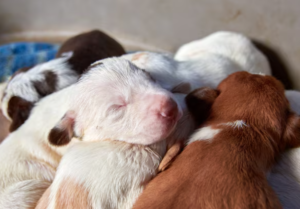
A dog's pregnancy runs about 58–63 days, and the final week brings clear signals that labor is near. One to two weeks out she nests and eats less; 24–48 hours before, her rectal temperature drops 1–2°C and the vulva softens; within hours she grows restless, stops eating, and begins contractions. Preparing a quiet whelping box, supplies, and a vet's number ahead of time keeps the process safe—and knowing the signs of dystocia can save lives.

How to Ease Acid Reflux in Dogs
If your dog dry-heaves after meals or brings up white foam or yellow fluid with foul breath, it may not be simple stomach upset—it could be acid reflux, or GERD. The stomach's lower valve relaxes and lets acid creep up the esophagus, which can inflame and even ulcerate over time. Diet changes, vet-guided medication, and a few lifestyle tweaks usually bring real relief.

What Makes a Person a Dog Magnet?
Some people seem to attract dogs without trying. They tend to be clean and unscented, calm and emotionally steady, and gentle with small, slow movements. Dogs read human micro-expressions, tone, and even heart rate, so an excitable, loud approach reads as threatening while a relaxed one builds trust. Add respect for the dog's boundaries and genuine affection, and dogs are drawn in.
What does my dog’s sleeping position reveal about its personality?
Sleep posture reflects mood and temperament: side-sleeping means calm and relaxed, easygoing; curled in a ball signals insecurity - gentle, sensitive, fragile, needing attention; sprawled with legs on the floor suggests an energetic, excitable nature; and belly-up shows a confident, highly adaptable dog.

Ephedrine Poisoning in Dogs and Cats
Ephedrine poisoning happens when pets receive too much ephedrine-containing medication. It causes restlessness, trembling, drooling, vomiting, and dangerously fast heart and breathing rates. Stopping the drug and prompt veterinary care are essential.