Search Results
228 results for “relax dog”
How to Care for a Senior Dog With Joint Problems
As dogs age, their joints wear down and daily movement becomes painful. You can ease the discomfort at home with five simple steps: manage weight, make the home slip-free, choose low-impact exercise, add joint supplements, and watch for early warning signs.

Why Does My Dog Suddenly Run Around Like Crazy?
A dog that suddenly bolts around the house in a burst of frantic running is usually having a FRAPs episode — Frenetic Random Activity Periods — a normal, healthy way to blow off steam. These outbursts last only seconds to a few minutes and are nothing to worry about, though you should give your dog space and keep fragile items out of reach.

Can Dogs Bully Each Other? How to Tell and Step In
Dogs can bully each other — one dog persistently dominates and intimidates another that never gets a turn. Unlike mutual play (roles switch, bodies stay loose), bullying is one-sided and tense. A bullied dog may fear certain places, lose appetite, over-groom, or turn aggressive, so step in early and manage playmates, time, and the environment.
Why Won’t My Dog Go for Walks Anymore?
A dog that suddenly refuses walks is usually 'afraid' rather than 'lazy' — something on the route scares it, its paws or joints hurt, or it is stressed, anxious, or bored of the same path. Don't force it; rule out pain first, then rebuild confidence slowly with treats and short, positive outings.

Why Is My Dog Peeing in the House?
A dog that urinates indoors may be in heat, untrained, marking territory, stressed by a broken routine, seeking attention, acting out, aging, over-excited, or suffering a urinary infection. If accidents come with other symptoms such as blood in the urine, a vet visit is needed.

How to Make Your Dog More Affectionate
A clingy, devoted dog is built on trust and security. Speak gently, spend daily time together, reward good behavior, feed on a schedule, share activities like walks and swimming, and keep up with health checks. Avoid scolding, which only pushes a dog away.

Why Does My Dog Raise Its Butt?
A dog that raises its rear may simply be stretching, inviting play, showing affection or submission, or signaling heat in an unspayed female. If the posture is sudden, frequent, and accompanied by obvious pain, it can point to abdominal discomfort and warrants a vet visit.

Why Is Your Dog’s Paw Swollen?
A swollen paw can stem from many causes — a sprain or knock, interdigital dermatitis, bacterial or fungal infection, parasites, or allergies. Check the paw for wounds or infection; clean and treat minor cuts promptly, use antibiotics for serious infection, and see a vet if you can't pin down the cause.
What to Do When Your Dog’s Hind Leg Cramps
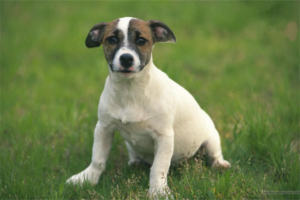
A dog's hind-leg cramp can come from poor nutrition, overexercise, low temperature, or too little activity and sore muscles. When it happens, gently massage or apply a warm compress to ease the muscle, then rest the dog in a quiet, warm place. Balance the diet, exercise moderately, and keep the environment at a comfortable temperature to lower the chance of cramps.
Can Swimming Help a Dog with a Luxating Patella?
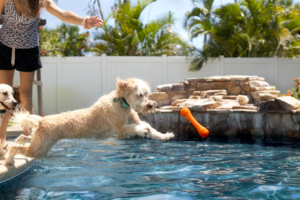
A luxating patella—the kneecap slipping out of its groove—is common in small and toy breeds and can cause pain and limping. Swimming is often recommended by veterinarians as part of conservative care because water’s buoyancy supports the body and builds hind-leg muscle without loading the joint. However, swimming is therapy, not a cure: the condition is structural (loose ligaments, a shallow groove, or poor alignment) and cannot be reversed by exercise, medication, or massage. Whether swimming helps depends on the grade—mild cases benefit, while severe grades can be made worse. This article explains the condition, how water therapy fits in, which grades should swim and how, and the daily supports (fish oil, chondroitin, avoiding jumps) that protect the joint.