Search Results
391 results for “reduce cat stress”

LionHead Rabbit
The LionHead Rabbit is a small, gentle pet rabbit named for the ruff of long fur around its head that looks like a lion's mane. Originating in Belgium and bred in the Netherlands and US, it is sturdy and clean, needs daily coat care and a wire-free cage, and lives 5–7 years.
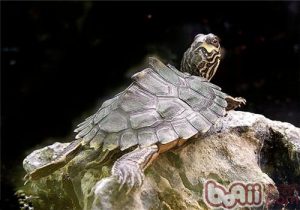
Graptemys pulchra (Alabama Map Turtle)
The Alabama map turtle resembles the red-eared slider in habits, with head striping and a protruding keel. Named for its map-like yellow markings, it feeds mainly on aquatic clams and snails, crushing shells with its hard jaws.

Canine and Feline Hypoadrenocorticism (Addison’s Disease)
Hypoadrenocorticism, or Addison's disease, occurs when the adrenal glands fail to produce enough cortisol and aldosterone. It causes vague signs such as lethargy, vomiting, diarrhea, and poor appetite, and acute crises can be life-threatening without prompt treatment.

Feline Hypertrophic Cardiomyopathy: Symptoms, Treatment, and Prevention
Feline hypertrophic cardiomyopathy (HCM) is a frequently inherited heart-muscle disease in which the ventricular walls thicken and filling is impaired. Many cats show no early signs, then suddenly develop breathing distress, weakness, or sudden death from stress or arterial obstruction.

Canine Mitral Valve Insufficiency: Symptoms, Treatment, and Prevention
Mitral valve insufficiency is a degenerative heart-valve disease in which blood leaks backward from the left ventricle into the left atrium, accounting for roughly three-quarters of canine heart disease. Older small breeds are most affected and show exercise intolerance, coughing, and night-time breathing distress.

Canine Hypertrophic Cardiomyopathy: Symptoms, Treatment, and Prevention
Canine hypertrophic cardiomyopathy (HCM) is a chronic, often inherited heart muscle disease in which the left ventricular wall and septum thicken, impairing the heart's ability to relax and fill. Many dogs show no signs until they develop breathing difficulty, fainting, or sudden collapse, so early cardiac screening is essential.

Canine and Feline Cryptosporidiosis: Symptoms, Treatment, and Prevention
Cryptosporidiosis is a protozoal (coccidian) infection of dogs and cats that causes acute, watery diarrhea, vomiting, and abdominal discomfort. It is most severe in young, stressed, or immunocompromised animals and is zoonotic, so hygiene is essential.

Feline Hemobartonellosis (Feline Infectious Anemia): Symptoms, Treatment, and Prevention
Feline hemobartonellosis, also called feline infectious anemia, is a rickettsial disease caused by Mycoplasma haemofelis, marked by anemia and splenomegaly.

Streptococcal Infection in Dogs: Symptoms, Treatment, and Prevention
Canine streptococcal disease is a zoonotic illness caused by a group of pathogenic pyogenic cocci. Puppies often develop an acute septicemic course through umbilical infection. Bacteremia brings fever, catarrhal to hemorrhagic enteritis, infected inflamed umbilical sites, and joint metastasis causing arthritis, ending in septicemic death.

Feline Infectious Peritonitis (FIP): Symptoms, Treatment, and Prevention
Feline Infectious Peritonitis (FIP) is a chronic, progressive, and often fatal viral disease of cats caused by a mutated feline coronavirus. It is marked by inflammation of the abdominal lining, accumulation of fluid in the abdomen (the 'wet' form), and a high mortality rate. Young cats under 12 months, purebreds, and cats in multi-cat or shelter environments are most at risk.