Search Results
391 results for “reduce cat stress”

Signs and Causes of Anxiety in Dogs
Anxious dogs may seem restless, tired, fearful, or start hiding and even self-harming. Common triggers include separation, loud noises, new environments, poor socialization, and past scares. Knowing the signs and cause lets you ease the anxiety with training, a safe space, and gradual desensitization.

Why Does My Dog Suddenly Run Around Like Crazy?
A dog that suddenly bolts around the house in a burst of frantic running is usually having a FRAPs episode — Frenetic Random Activity Periods — a normal, healthy way to blow off steam. These outbursts last only seconds to a few minutes and are nothing to worry about, though you should give your dog space and keep fragile items out of reach.

Do Kittens Get Diarrhea With the Seasons?
Kittens often get loose stools at season changes because shifts in temperature, humidity, and pressure stress sensitive cats and upset gut flora, worsened by cold bellies and abrupt diet changes. Keep them warm, keep the diet simple, and add a probiotic (Bacillus subtilis, Saccharomyces boulardii); if diarrhea is watery, bloody, smelly, with lethargy or other signs beyond 3 days, see a vet.

Types and Signs of Mental Illness in Dogs
Dog mental illness takes many forms — separation anxiety, depression, mania, social phobia — with differing signs and treatments, but affected dogs usually show odd behavior and a changed mental state. If you suspect a problem, get a full vet check to rule out physical causes, then follow the vet's plan.

Can Goldfish and Guppies Live Together?
Goldfish and guppies aren't a good mix. Goldfish are long-domesticated with weak immunity, so even alone they fall ill easily; with guppies, bacterial cross-infection can kill the goldfish. They also differ in temperature, water needs, and size — a large goldfish can accidentally harm a tiny guppy. Keep goldfish in a low-density single tank; guppies pair better with small tetras, platies, mollies, or moonfish.
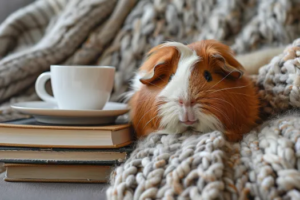
What to Do When Your Hamster Chews the Cage and Keeps You Awake
Hamsters gnaw on their cages out of natural needs—filing their continuously growing teeth, relieving anxiety, mating energy, or plain curiosity—not out of bad behavior. Give them a larger cage, plenty of toys and safe chewing items, a steady daily routine, and a calm, quiet spot to cut the noise and protect their health.
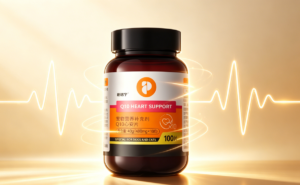
CoQ10 for Pets with Early Heart Enlargement
As cats and dogs age, the heart is often among the first systems to falter, especially in overweight pets and certain breeds with inherited risk. CoQ10, a nutrient that supports heart-muscle energy and protects cells from oxidative stress, is a standard supplement alongside veterinary treatment for heart disease. This guide covers the early signs owners should watch for, why CoQ10 helps, what to look for on a supplement label—real content, independent testing, and proven safety—and how to support heart health day to day. It is nutritional support, not a replacement for prescribed medication.

Can a Dog’s Chill-Induced Vomiting Heal on Its Own?
When temperatures drop, some dogs still nap on cold floors or drink icy water, irritating their stomachs and triggering vomiting. Whether this resolves on its own depends on the cause. Mild vomiting from a chill often settles within a short time, but persistent or worsening signs—diarrhea, fever, appetite loss—point to conditions like gastritis, infection, parasites, or pancreatitis that need a vet. This guide explains when to wait and how to care for your dog at home, including warmth, a bland diet, probiotics, and close monitoring—while stressing that human medication should never be given to dogs.
CoQ10 for Pets: Why Adequate, Well-Absorbed Dosage Matters
Many owners dismiss pet CoQ10 as a gimmick, and with reason: an under-regulated market let weak products ship before they were ready, so finding a real, safe, high-potency supplement was hard. The science is sound, though. CoQ10 lives in the mitochondria, drives cellular energy, and neutralizes free radicals that damage the heart. Pets over about 5–7 years, obese animals, high-risk breeds, and those already diagnosed lose CoQ10 reserves fast, and diet alone barely replaces it—hence panting after a short walk, night coughs, or low energy. The key is adequate, well-absorbed dosage; micro-dosing is only comfort. This article explains who needs CoQ10, what “real” formulation looks like (transparent content, third-party testing, yeast-derived sourcing, combined heart–lung nutrients), and safe daily use.

Choosing a CoQ10 Supplement for Your Pet’s Heart
Pets past about seven years old decline fast, and heart disease is among the highest-risk threats: mitral valve disease and dilated cardiomyopathy in dogs, hypertrophic cardiomyopathy in cats. Early signs—night coughing, panting, purple tongue, exercise intolerance—often mean Stage B2 or C, so the B1–B2 window is the time to act. Alongside prescribed medication, many veterinarians suggest a pet CoQ10 supplement for energy and antioxidant protection. But with crowded shelves, how do you choose? This guide explains what a quality formula should deliver: transparent, well-absorbed dosage; a heart–lung–vessel support blend (rhodiola, krill, astaxanthin, taurine, vitamins, grape powder, folate); palatability and safety for long-term use; and which pets benefit most.