Search Results
1780 results for “red eyes”

What to Do When Your Dog Has a Cold and Cough
Caring for a dog is like raising a child - feeding, shelter, and sickness all fall to you, and the common cold is near the top of the list. A dog with a cold looks defeated: ears down, eyes shut, motionless in the bed, with a rising temperature (adult dogs run below 39.2C, puppies 38-39C; above 39C means fever). It also coughs, has a runny nose, red conjunctiva, poor appetite, and shivers from the cold. Do not bathe a sick or coughing puppy - bathing strips a protective layer and lowers immunity. Keep the sleeping area warm with a blanket or hot-water bottle, dress the dog for walks, and keep the bed out of drafts. For the cough and runny nose, a half-packet of children's cold granules three times a day for about a week helps; dog-specific supplements are an option too. Feed nutritious food like beef and vegetables to build resistance, and catch illness early.

Common Diseases of Ornamental Fish
Scale loss, fin rot, fin congestion, saprolegniasis (cotton fungus), and cloudy eye are common ornamental fish diseases. Even careful keepers can't fully prevent them, so observe fish daily for early signs. Most sick fish show reduced appetite and activity; act on these promptly. Keep water clean, since fouled water easily causes illness.

Which Fish Are Suitable Tank Mates for Arowana?
Arowana is large, territorial, and aggressive, so pick tank mates carefully. Relatively safe choices are tiger fish, flying phoenix, stingray, crown cichlid, and Black Spade A silver dollar - mostly bottom or mid dwellers that rarely clash with the upper-swimming arowana. Avoid very small mates that could be eaten.
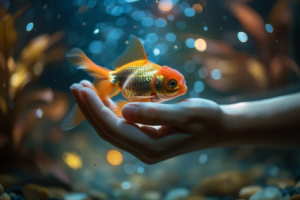
What Causes Arowana Popeye?
Arowana popeye (bulging eyes) is caused by high nitrite in aged water, too much protein in the diet, or bacterial/parasitic infection. Fixes: change water and run the filter for nitrite; switch to lower-protein food and add a wave pump for diet; change water and apply eye drops for infection. Rising pH, high alkalinity, or vitamin B deficiency can also contribute.
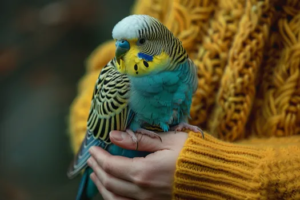
What to Know When Raising a Myna as a Beginner
New myna owners should pick a lively, healthy bird with glossy feathers, give a right-sized cage with toys and space, feed a balanced diet of special myna feed plus fruit, vegetables, and nuts, and let it adapt quietly. Socialize daily, keep the cage clean, train gently, and watch for signs of illness.
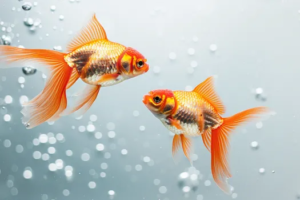
Goldfish Habits and Types
Goldfish are lively but gentle, omnivorous, and easy to school - but watch density to avoid fouled water and low oxygen. They are cold-blooded and can't take sudden 5C+ swings; best growth is 20-28C, and they like slightly alkaline water (pH 7.5-8.0). Main types: grass, wen, dragon (pop-eye), and egg (no dorsal fin).

What to Do When an Arowana Has Enteritis
Enteritis is common in arowana, with several causes that need different treatments. This article covers the common causes and how to treat each.

How to Tell If a Winter White (Dwarf) Hamster Is Healthy
Winter White hamsters are easy pets but short-lived, so check health before buying. Look at teeth, scent gland, eyes, droppings, cheeks, coat, temperature, and activity—each reveals common problems.

How to Care for Newborn Hamsters
Newborn hamsters are blind, frail, and hard to raise—eyes open around day 12, weaning near day 25. If orphaned, use a warm box, bottle-feed formula, and stimulate elimination; survival rises as they grow.

Decoding Hamster Body Language
A hamster's ears, posture, and actions speak: upright ears mean alert, curled-up means sleeping or cold, belly-up means scared, hiding means shy, and climbing onto your hand means trust. Learn its cues by watching.