Search Results
1780 results for “red eyes”
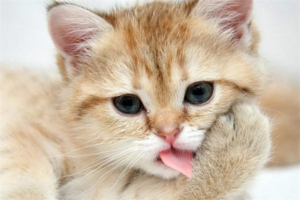
Why Does My Cat Have Uneven Eye Size?
A cat with one eye larger than the other is common and can be genetic, but if it appears later it usually points to irritation, inflammation, feline herpes, injury, or heat. The right response depends on the cause, so judge by the situation. If a foreign object is the culprit, gently clearing it often restores the eye quickly. Eyelid inversion may need surgery, so see a veterinarian. Other causes include eye disease such as conjunctivitis or keratitis, feline rhinotracheitis with discharge and sneezing, trauma, and diet-related heat that responds to lighter food and more water.

Why Does Your Cat Have Heavy Tear Stains?
Those dark streaks under a cat's eyes are more than cosmetic; they signal an underlying issue. Tear staining can come from structural problems like ingrown lashes and blocked ducts, from infections and parasites such as eye disease, ear mites, or eye worms, or simply from a salty diet. Understanding the cause is the first step to clearing the stains and keeping your cat comfortable.
Three Reasons Why Cats Shed Excessively
Heavy shedding is one of the most frustrating parts of cat ownership, but not every cause is out of your control. While seasonal coat changes cannot be stopped, diet and nutrition often can be fixed. This article breaks down three common triggers: weather shifts, too much salt, and poor nutrition, with practical steps to keep loose hair under control.

How High Blood Pressure Affects Dogs
High blood pressure harms a dog's eyes, heart, kidneys, and nervous system. It can cause retinal damage and vision loss, heart enlargement and failure, kidney failure, and stroke or paralysis. Owners should watch for signs and see a veterinarian, who may measure blood pressure and suggest a low-salt, low-fat diet or medication. Risk rises with obesity, age, genetics, diabetes, thyroid or kidney disease, and stress. Prevention includes regular checkups, a healthy weight, calm surroundings, and daily exercise.

Causes and Prevention of Liver Disease in Cats
The liver is the body's largest metabolic and digestive organ, and in cats it is closely tied to the blood, digestion, tendons, and eyesight. Liver disease can arise from nutritional or endocrine disorders, infections, or poisons such as arsenic, mercury, chloroform, and aflatoxin. Early signs are usually digestive, like vomiting, poor appetite, and pale stools, while later stages bring muscle tremors and weakness. Management focuses on the right balance of energy, protein, fat, and carbohydrates, plenty of vitamins, and a light, easily digested diet or a prescription liver formula to support recovery.

Cat Upper Respiratory Infection: Symptoms and Treatment
A cat upper respiratory infection is inflammation of the mucous membranes of the upper airways. Affected cats typically cough, sneeze, and have a runny nose, sometimes with yellow nasal discharge, and a sudden drop in temperature, poor nutrition, or stress can trigger an outbreak. The usual culprits are viruses such as herpesvirus and calicivirus, bacteria such as Chlamydia, and fungi such as Cryptococcus. This article covers the common pathogens, how viral, bacterial, and fungal infections differ in their signs, what else can mimic these symptoms, and the supportive care and medications veterinarians rely on to treat them, from keeping the eyes and nose clear to antiviral, antibiotic, and antifungal therapy.
Choosing a Cat Food Your Cat Will Love
With countless foods on the shelf, meet both quality and your cat's tastes. Cats can't make their own amino acids, so fish-rich food supports vision and hunting; a freeze-dried recipe built on high-quality fish and chicken with digestible milk powder boosts immunity and coat, plus vitamin A, E, and taurine for bright eyes. Pick a balanced, scientific formula.
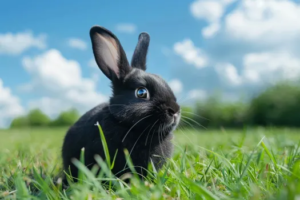
How to Tell If Your Rabbit Has Bonded With You
Rabbits may seem shy, but a bonded rabbit shows clear signs of attachment to its owner. Once a rabbit recognizes you as its trusted caretaker, it will actively approach you, nuzzle your hands or feet, lick your palm, lean into your touch, and follow you from room to room. It will relax under petting instead of fleeing, and may even learn to signal you with body language or soft sounds. Building this bond takes time and consistency. Offering food by hand, keeping a clean and comfortable enclosure, allowing supervised out-of-cage time, and simply spending calm, patient hours nearby all help a rabbit feel safe. With steady, gentle care, most rabbits move from fearful and withdrawn to openly affectionate, and you will feel the change in how they respond to you.

7 Cat Breeds Women Love Most
From the water-loving Somali to the child-friendly Ocicat, certain breeds win women's hearts with intelligence, gentleness, and affection. This list of seven covers the sociable Birman, the clever Korat, the playful Cornish Rex, the plush Ragamuffin, the dog-like Manx, and the friendly Ocicat at number one.

Can Cats Catch Colds?
With big temperature swings, many owners notice their cat sneezing or with a runny nose and assume it has a cold. But a few sneezes alone are not a cold; cats may sneeze at a strong smell or a bit of dust, which is normal and occasional. If sneezing, runny nose, and watery eyes persist, it may be an upper respiratory or viral infection, and a bad cough can mean lung infection. Keep your cat warm and see a vet if you cannot manage it at home.