Search Results
683 results for “recovery care”

Symptoms of Urethritis in Dogs
Canine urethritis is bacterial inflammation of the urethral lining, often from mechanical or chemical irritation or nearby spread (cystitis). Signs are painful, dripping urination with cloudy or bloody urine; treat with antibiotics and potassium permanganate flushes.

What Is Feline Urolithiasis (Cat Urinary Stones)?
Feline urolithiasis (urinary stones) is a painful lower-urinary-tract disease. Signs are frequent small urine, blood, genital licking, painful cries, and inappropriate urination; a blockage is fatal in 48–72 hours. Treat with catheterization, meds, water, and Rx food.

Feline Hepatic Lipidosis: Causes and Treatment
Fatty liver, also called hepatic lipidosis, is an endocrine disorder from impaired liver cells. In cats it's often triggered by anorexia, obesity, or stress. This article details it.

How to Treat Skin Disease in a Poodle (Teddy)
Poodles have dense, curly coats that trap moisture and parasites, making them especially prone to mite-driven skin disease in hot weather. Red, itchy bumps, hair loss, and constant rubbing against furniture signal infection. Treatment pairs a topical parasiticide with an oral dewormer, plus a medicated ointment for severe cases, and omega fish oil to aid coat recovery.

Causes of Anemia in Cats and How to Help
Feline anemia falls into three mechanisms — reduced red-cell production, blood loss, and increased destruction — and the pattern (regenerative versus non-regenerative) guides the workup. From kidney failure and FeLV to parasites and onion toxicity, identifying the root cause is what turns supportive care into real recovery.
What to Do When Your Cat Has Hepatitis
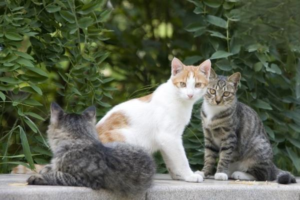
Feline hepatitis disrupts digestion, mood, and appetite, with early signs ranging from vomiting and pale stools to fever and abdominal discomfort. Recovery hinges on a quiet space that lets the liver heal, a liver-supportive diet, and antibiotics chosen for low toxicity to the liver.

What to Do If Your Dog Gets Tetanus
Dogs resist tetanus better than many animals, but a bad case still kills by suffocation. After a 5–21 day incubation the dog shows stiff ears, a fixed stare, drooling, and spasms, and may die within days; recovery is slow and many never fully regain muscle control. Treatment means quiet, dark nursing, cleaning the wound with antiseptic, and controlling spasms under a vet's care.
How to Handle a Queen Cat in Heat
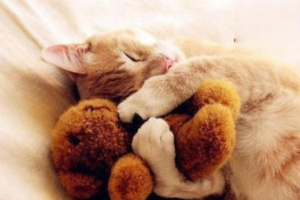
Spaying is by far the most effective way to stop a queen's heats; do it before she is in season, since operating during heat risks heavy bleeding. The surgery removes the ovaries and uterus under general anaesthetic, takes 60–90 minutes, and needs IV fluids plus daily wound care afterward.
What to Do When a Rabbit Is Lethargic and Won’t Eat
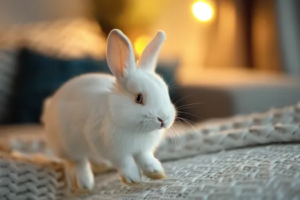
A rabbit that stops eating and loses its spark is often overfed, frightened, bacterial, or battling internal parasites such as coccidiosis. Male rabbits may simply be blocked by a full bladder, while coccidiosis needs prompt antiparasitic treatment — and any unclear case belongs at the vet.
Why Should You House Rabbit Kits Separately from the Doe?
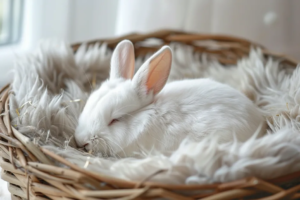
Separating rabbit kits from the doe after birth — nursing her in twice daily — protects the mother's recovery and lets her breed again within a month, stops the kits from competing for adult feed (which damages their immature guts), and sharply cuts coccidiosis and other kit diseases. After separation, watch the kits' growth (red ears = well-fed) and guard against escapes and predators.