Search Results
683 results for “recovery care”
How to Care for a Dog with Pancreatitis
Pancreatitis is a high-risk digestive emergency, especially common in overweight middle-aged and senior dogs, and it often returns even after recovery — so proper home care matters as much as treatment. During a flare-up, withhold food and water immediately and see a vet; never self-medicate. After discharge, feed a prescription diet under 10% fat (regular food is 15–20%+), split into 4–6 small meals, and strictly avoid all high-fat foods such as fatty meat, organ meats, fried food, and rich treats. Keep your dog warm to protect the abdomen, allow only gentle short walks, follow the medication plan exactly, and return for regular pancreatic checks. Controlling weight is the best prevention — obese dogs are over three times more likely to develop pancreatitis.

Canine Herpesvirus Infection (CHV): Symptoms and Care
Canine herpesvirus is a highly contagious virus in dogs that is often fatal in puppies under 21 days old, while older dogs usually show only mild upper-respiratory signs. It can also cause infertility, abortion, and stillbirth in breeding dogs and genital lesions in males.

Canine Demodicosis (Demodex Mange): Signs and Care
A few demodex mites are normal on every dog, but an overgrowth causes local or whole-body hair loss, redness, and a foul smell. Vet-recommended mite sprays, ointments, and medicated baths — plus clipping the fur — bring recovery.
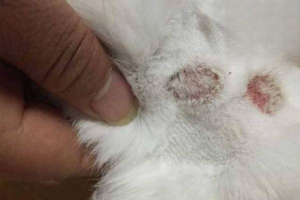
Cat Ringworm: Symptoms and Home Care
Ringworm strikes when a cat's immunity dips, breaking hairs and leaving ring-shaped bare patches. It can pass to people, so isolate the cat, disinfect with iodine, and use a vet-approved antifungal spray plus vitamin B.

Cat Spay and Neuter Care: Details You Shouldn’t Skip
Neutering curbs mating aggression, noisy calling, marking, and heat-related illness, but the surgery is only half the job. Follow the antibiotic course, avoid picking the cat up, and support recovery with good nutrition.

Dog Coronavirus: Treatment and Recovery
Dog coronavirus spreads through contact with infected feces and causes sudden vomiting, diarrhea, and lethargy, with cases able to relapse 14-21 days after signs fade. Supportive care, vet-prescribed meds, and gut-resting food let most dogs recover, but severe cases need a hospital.

Dog Viral Enteritis: Causes, Signs, and Care
Viral enteritis causes diarrhea and vomiting in dogs and can dehydrate puppies fast enough to be life-threatening. Withholding food while keeping water up, small frequent meals, and prompt vet care for severe cases are the main steps.

Should You Walk a Dog With a Cold?
A dog with a cold should rest indoors rather than go for walks until it has fully recovered — typically three to four days for a mild case, up to a week when symptoms are worse. Keep the dog warm, use a pet-specific cold remedy for mild signs, and see a vet if a fever appears.

Should You Spay or Neuter Your Dog?
Neutering curbs roaming and mating-driven aggression, lowers the risk of reproductive cancers and infections, and steadies a dog's temperament — but it also carries surgical risks and can slow the metabolism. For most dogs the long-term health payoff outweighs the drawbacks, though your veterinarian should weigh in on the right timing.

Is Neutering a Rabbit Risky? What to Watch For
Neutering carries the usual anesthetic risk, but it's still worthwhile to prevent reproductive disease. Book an experienced small-mammal vet, schedule a morning slot, cushion the carrier against stress on the way, share the rabbit's history with the surgeon, insist on gas anesthesia with ECG monitoring, and recover it with a cone and high-fiber, easy food for about 10 days.