Search Results
242 results for “raw fish”
What Happens If a Cat’s Trichomoniasis Is Left Untreated?
Untreated trichomoniasis usually won't heal on its own and the parasites multiply, stealing nutrients and damaging the gut. The cat becomes thin, anemic, and lethargic.

How to Prevent Cat Diseases
Cats are vulnerable to illness, but not every disease is unavoidable. The best defense is a proactive daily routine that stops problems before they start. By keeping your cat clean, feeding a balanced professional diet, and staying consistent with vaccinations and parasite control, you dramatically lower the risk of common feline illnesses. This guide walks you through the three pillars of prevention so your cat stays healthy and your household stays safe.
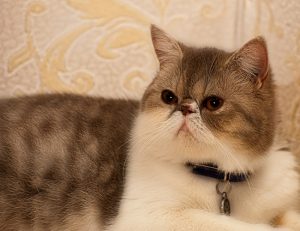
Exotic Shorthair
The Exotic Shorthair — everyone's "Garfield cat" — pairs the Persian's plush look with a short, easy-care coat. Sweet, calm, and affectionate, it's one of the most laid-back cat breeds to live with.

Thiamine (Vitamin B1) Deficiency in Dogs and Cats
Thiamine (vitamin B1) deficiency in dogs and cats impairs glucose metabolism and especially nerve function, producing anorexia, weakness, and progressive neurological signs such as ataxia, seizures, and paralysis. It is caused by raw-fish diets, gut or liver disease, and high demand, and responds to thiamine replacement.

Canine and Feline Liver Fluke Infection (Opisthorchiasis): Symptoms, Treatment, and Prevention
Liver fluke infection is caused by Clonorchis sinensis and Opisthorchis felineus living in the bile ducts of dogs and cats, producing cholangitis, cholecystitis, and liver dysfunction. It is treated with flukicides and liver support.

How to Treat and Prevent Tapeworms in Cats and Dogs
Tapeworms spread mainly through fleas — a cat or dog swallows an infected flea while grooming. Regular external parasite control and a flea-free home are the real keys to keeping them away.
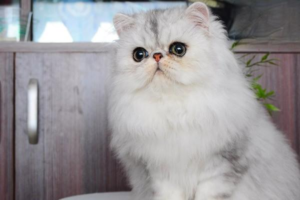
How to Make a Meat-Rich Cat Meal
A homemade meat meal keeps cats, especially pregnant or growing ones, well supplied with calcium and protein. Use 85% meat, 10% seafood, 5% liver, steam in portions, and freeze raw portions for up to two months.

How to Help Your Cat Develop Cheek Fluff
Cheek fluff, a round full face, appears mainly in male cats of certain breeds like British and American Shorthair, driven by genetics and diet, usually from 11 months on. Feed low-salt quality food, add meat and supplements, keep it active, and note neutering before fluff sets in prevents it.

Eight Key Care Points for Pet Parrots
Eight care points keep a pet parrot healthy: disinfect the cage and perches often and keep them dry, avoid dirty or unsuitable food, prepare the diet without oil or seasoning and cool cooked food to room temperature, wash fruit and vegetables in a salt-and-lemon soak, hold a steady aviary temperature, clip wings sensibly to prevent escape, guard against heat (over 37°C can be fatal), and train regular, timed feeding.
Symptoms and Treatment of Hole-in-the-Head Disease in Blood Parrot Cichlids
Hole-in-the-head disease (head and lateral line erosion) is a common, highly contagious condition in blood parrot cichlids, usually triggered by nutritional deficiencies or poor water quality. Because it spreads easily to healthy tankmates, isolating the affected fish and starting treatment promptly makes the difference between a quick recovery and a worsening infection.