Search Results
29 results for “raw chicken cat food”

Why Do Cat Freeze-Dried Food Prices Vary by Up to 10x?
Freeze-dried cat food can range from under 90 yuan per kilogram to more than 800 yuan per kilogram — a tenfold gap that confuses many owners. The difference comes down to raw-material quality, the freeze-drying process, sterilization, logistics, and brand markup. Premium products use high-grade meat and true vacuum freeze-drying at −30 to −40°C, while cheaper ones may add starch, reach only −20°C, or simply bake the meat dry. Because freeze-drying dehydrates but does not sterilize, proper irradiation and sealed individual packaging matter for safety. When choosing, favor genuine freeze-dried food with intact color and shape, sealed single-serving packs, and a price around 90 yuan/kg or above.
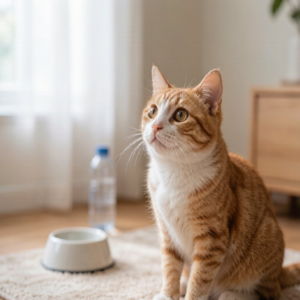
Why Does Your Kitten Swallow Food Without Chewing?
Cats barely chew—and that's normal. Their wild ancestors tore prey into chunks and swallowed fast to avoid theft, and their teeth shear rather than grind. The risks are real, though: eating too fast brings vomiting, choking, and more tartar. Teach chewing with chew treats and slow-feeder bowls, switch to dental kibble or softened food, and give a calm, separate eating spot plus regular toothbrushing to protect oral health.
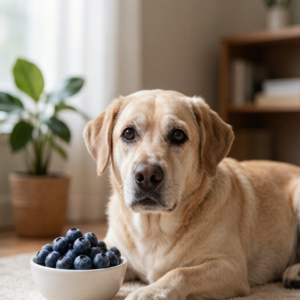
Senior Dog Vision Fading? Foods That Protect the Eyes
Eye disease is common in dogs—conjunctivitis, keratitis, glaucoma, cataracts—and over half of dogs past ten develop cataracts. Diet can slow that decline. Vitamin A from liver and carrot supports night vision; antioxidants like lutein, vitamins C and E, and anthocyanins guard the retina; omega-3 from fish eases dryness. Avoid overdoing vitamin A or raw food, and get seniors checked yearly.
Foods That Support Your Dog’s Liver
The liver filters toxins, stores nutrients, and makes bile, yet it stays silent until heavily damaged—so daily support matters. Quality protein, cruciferous vegetables, and berries aid detoxification, while milk thistle, dandelion root, and omega-3s protect cells. Just as vital is what to skip: fatty foods, toxic items like chocolate, onion, and grapes, and human medicines that strain or poison the liver. Keep water flowing and weight healthy.

Should Cats Eat One Food or Rotate?
Feeding one food keeps a cat's gut stable and makes health changes easy to spot, but it risks nutrient gaps, pickiness that fights later prescription diets, and silent formula changes. Rotating broadens nutrition and spreads product-risk, yet sudden or too-frequent switches upset the stomach. The balanced answer is to rotate on a schedule, with a slow 7–10 day transition and a few months on each food.

What Can Cats Eat to Clean Their Teeth?
The real question is what reduces food left on the teeth. Crunchy quality kibble sticks less than wet food and scrapes the surface as a cat chews; dental chews, jerky, chew toys, and VOHC-certified treats add friction; pet dental water or powder with lysozyme slows plaque chemically. But the most reliable step is still brushing a few times a week. Left alone, plaque becomes tartar, gingivitis, and even organ harm.

How to Feed a Nursing Mother Cat
A mother cat loses large amounts of nutrients to her kittens while pregnant and nursing, so she needs extra protein, fat, vitamins and minerals to keep milk quality up and avoid weakness or postpartum tremors. Choose a lactation-formula cat food, feed small meals often since she moves little, and offer goat milk, nutrient paste, chicken, canned food, beef or fish broth as toppers. If she loses appetite or trembles, a vet can confirm calcium deficiency and prescribe pet calcium with vitamin D.
What Meats Do Cats Love Most?
Cats usually enjoy beef, chicken breast, and salmon. Feed cooked meat as a topper alongside a main diet of cat food; avoid raw meat to prevent poor digestion and parasites. Meat alone causes malnutrition, pickiness, or obesity.

Foods That Are Toxic to Cats
Unlike dogs, many things people can eat harm cats. Some seasonings also burden a cat's body.

How to Feed Stray Cats
This is a guide to feeding strays, not a home-care plan — the aim is to meet a stray's minimum needs within your budget. The basics are simple: a labeled mainstream kibble, clean water, and never table scraps.
- « Previous
- 1
- 2
- 3
- Next »