Search Results
27 results for “raw chicken cat food”
Recipe: Raw Chicken Cat Food (with Bone Meat)
Raw chicken cat food is the most accepted homemade meal — even cats that turn up their nose at beef, lamb, or rabbit will eat chicken, and it is gentle on the wallet. The base is chicken thigh and breast (about 80%), with heart, liver, and gizzard for organs, then a short list of supplements: taurine, calcium, a multivitamin, a little vegetable-and-fruit puree, alfalfa and kelp powder, probiotics, and salmon oil. Dice the meat, stir everything together, portion one meal and freeze the rest. It takes under ten minutes.
What human foods can cats eat?
Cats can eat many human foods: chicken breast, egg yolk, beef, lamb, salmon, shrimp and lean pork, cooked with no seasoning; and some vegetables and fruits like carrot, sweet potato, cabbage, papaya, celery, bok choy, lettuce, spinach, apple, banana and strawberry, which supply vitamins in small amounts but cause indigestion if overfed.

How Much Water Does a Cat Need Each Day? Even a Little Less Is a Risk
A cat needs about 40–60 ml of water per kg of body weight daily — roughly 200–300 ml for a 5 kg cat. That total includes water from food: dry food is only 5–10% moisture while wet food and fresh diets are 70–80%. Pregnant/nursing mothers need +50%, kittens (3–6 months) 60–80 ml/kg, and hot, dry, or active conditions call for +20–30%. Chronic shortfalls raise the risk of urinary crystals, kidney disease, and constipation.
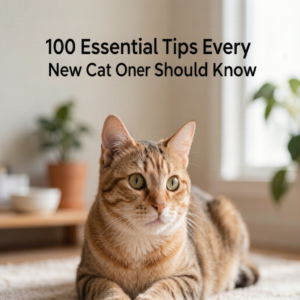
100 Essential Tips Every New Cat Owner Should Know
Bringing home a first kitten is exciting but daunting, and poor care can hurt both of you. These 100 essentials cover diet (life-stage food, toxic grapes/chocolate/onion/garlic, no bones or raw meat, fresh water), daily care (brushing, nail and ear cleaning, litter hygiene, n+1 boxes), health (vaccines at 8–12 weeks, deworming, normal temperature 38–39.2°C, spay/neuter, no human meds), behavior (slow blinks, tail talk, no punishment), and home safety (screens, hiding wires, toxic plants, no smoke). Read them once and you'll share a calmer, healthier life with your cat.
When Do Ragdoll Cats Develop Cheek Jowls?
Ragdoll cats usually start developing cheek jowls at 6–8 months, though genetics set the exact timing and some begin earlier or later. Only males develop true jowls; it depends on inherited genes from the parents. Diet, exercise, and neutering also shape the result. To support healthy jowl development, feed plenty of protein, vitamins, and minerals, offer chewy or raw-meaty-bone snacks to build jaw muscles, keep the cat active, and time neutering until after the face fills out. Remember, not every Ragdoll will jowl—genes decide. If you have concerns, consult a veterinarian.
Recipe: Raw Rabbit Bone-Meat Cat Food
Raw rabbit is a lean, novel-protein main meal many cats love and that suits those with sensitivities to common meats. The base is rabbit leg (about 80%) with heart and liver for organs, then the usual supplement set: taurine, calcium, a multivitamin, a little vegetable-and-fruit puree, alfalfa and kelp powder, probiotics, and salmon oil. Dice the meat, stir everything with cooled boiled water, portion one meal and freeze the rest. It takes under ten minutes.
Recipe: Homemade Chicken Jerky Cat Treats
Dried chicken jerky is a great cat treat, especially for cats with tartar, yellow or black teeth, bad breath, or frequent mouth problems — it cleans teeth remarkably well. Slice chicken breast into strips of different widths for different purposes, dry them in a dehydrator for over six hours, and store in a sealed container. A cat may gag briefly if it eats too fast; that is normal. Suitable for cats over three months old.
Recipe: Boiled Chicken Breast for Cats
Boiled chicken breast is the simplest, safest cat meal to start with — most cats accept it readily and there is almost no risk. Gently simmer the breast for 10 to 15 minutes until fully cooked, cool it, then shred it by hand. You can mix in your cat's usual taurine or vitamins, or serve it plain. It is ideal for first-time cat-meal makers and cats new to meat, but on its own it is a supplement, not a complete staple diet.

Why Do Cat Freeze-Dried Food Prices Vary by Up to 10x?
Freeze-dried cat food can range from under 90 yuan per kilogram to more than 800 yuan per kilogram — a tenfold gap that confuses many owners. The difference comes down to raw-material quality, the freeze-drying process, sterilization, logistics, and brand markup. Premium products use high-grade meat and true vacuum freeze-drying at −30 to −40°C, while cheaper ones may add starch, reach only −20°C, or simply bake the meat dry. Because freeze-drying dehydrates but does not sterilize, proper irradiation and sealed individual packaging matter for safety. When choosing, favor genuine freeze-dried food with intact color and shape, sealed single-serving packs, and a price around 90 yuan/kg or above.
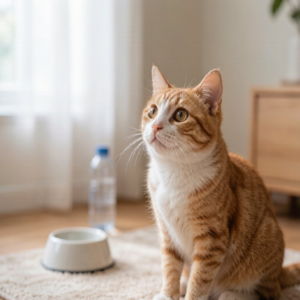
Why Does Your Kitten Swallow Food Without Chewing?
Cats barely chew—and that's normal. Their wild ancestors tore prey into chunks and swallowed fast to avoid theft, and their teeth shear rather than grind. The risks are real, though: eating too fast brings vomiting, choking, and more tartar. Teach chewing with chew treats and slow-feeder bowls, switch to dental kibble or softened food, and give a calm, separate eating spot plus regular toothbrushing to protect oral health.