Search Results
662 results for “rat poison”
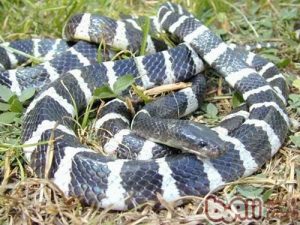
Beaked Sea Snake
The Beaked Sea Snake is one of the world's most venomous snakes, living in tropical coastal waters of Australia and parts of Asia. Reaching 1.5–2 m with a cylindrical body and dark gray back banded in black, its neurotoxic venom can kill within minutes—yet it is valued in traditional medicine.
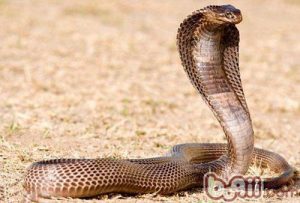
Egyptian Cobra
The Egyptian Cobra (Naja haje) is a large, highly venomous snake of northern Africa and the Arabian Peninsula, famed as the 'asp' of Cleopatra. Reaching 1.5–2.4 m with a broad neck hood, it is mostly nocturnal and delivers a potent neurotoxic venom—among the deadliest cobras.

Dyscophus antongili
The Antongil Bay Tomato Frog (Dyscophus antongili) is native to the east coast of Madagascar and feeds on insects. Restricted to a narrow range and threatened by habitat loss and poaching for the pet trade, it is listed under CITES Appendix I. Wild individuals come in red (females) or yellow (males), so choose a female if you want a red 'tomato'.
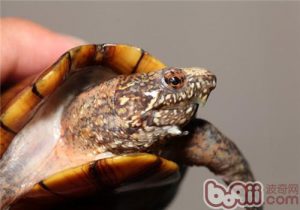
Kinosternon acutum (Tabasco Mud Turtle)
The Tabasco mud turtle (Kinosternon acutum) is a medium-sized mud turtle prized for its vivid head striping, found mainly in the Mexican Caribbean lowlands. It is rarer than the narrow-bridged musk turtle and seldom seen on the market.

FlemishGiant
The Flemish Giant is the largest domesticated rabbit breed in the world, originally from Belgium and recognized by the American Rabbit Breeders Association in seven coat colors. A gentle, docile, and hearty-eater companion that needs generous space and meticulous hygiene, it weighs 6–13 kg and lives around 5–8 years.

Canine and Feline Cataract: Symptoms, Treatment, and Prevention
Cataract is clouding of the lens in dogs and cats—often in old age or from diabetes, glaucoma, or toxins—that blurs and can destroy vision. Medicines help early stages, but surgery is the main cure.

Ataxia Syndrome in Dogs and Cats: Symptoms, Treatment, and Prevention
Ataxia syndrome is incoordination of the limbs from disease of the central nervous system, peripheral nerves, or the limbs themselves, often secondary to infection, poisoning, or inflammation. Signs vary by cause - from whole-body illness to local swelling, fracture, or tendon rupture. Treatment targets the underlying disease.

Shock in Dogs and Cats
Shock is acute circulatory failure that leaves vital organs starved of oxygen. It can follow severe disease, trauma, or poisoning, and shows as pale gums, weakness, cold extremities, and collapse. Treating the underlying cause is the foundation of recovery.

Selenium Metabolism Disorders in Dogs and Cats: Deficiency (White Muscle Disease) and Toxicity
Selenium is an essential trace mineral that supports antioxidant defence and immune function in dogs and cats. Both too little and too much are harmful: deficiency causes nutritional myodegeneration (white muscle disease) affecting skeletal and heart muscle, while excess produces acute and chronic poisoning.

Iron Metabolism Disorders in Dogs and Cats
Iron metabolism disorders in dogs and cats include iron deficiency, microcytic hypochromic anemia with weakness and poor endurance, and iron overload from excess intake or poisoning, causing gut signs and acidosis. Deficiency is corrected with dietary iron and treatment of blood loss or parasites.