Search Results
662 results for “rat poison”

Safe Dog CoQ10: What the Research and Labels Tell You
CoQ10 appears in veterinary cardiac plans for mitral valve disease, dilated cardiomyopathy, and senior heart decline, and the research behind it is real — not a fad. A 2021 study found dogs with mitral valve disease in heart failure had significantly less heart-muscle CoQ10 than healthy dogs, and a 2022 randomized trial showed supplementation improved oxidative-stress and contraction markers with no adverse effects. The catch is that the benefit only appears when the product is safe, dog-appropriate, and correctly dosed. This guide explains how to read the label and the form.

What Causes Sepsis in Dogs and How Is It Treated?
Dog sepsis happens when bacteria such as Staphylococcus, Streptococcus, or E. coli multiply in the blood and release toxins, causing body-wide infection. Large skin wounds, bacterial diarrhea, purulent peritonitis, or open fractures can all trigger it. Early signs include fever, lost appetite, vomiting, diarrhea, weakness, rapid breathing, dilated pupils, and abnormal heartbeat. The sooner treatment starts, the better the odds, so see a vet at once if these appear. Treatment uses culture-guided antibiotics, nutritional support, symptomatic care, and restoring acid-base balance.

Dog CoQ10 Safety: Three Traps to Avoid When Buying
With CoQ10, 'has some in it' is not the same as 'works,' and 'is CoQ10' is not the same as 'safe.' Many owners shop by headline number and price while missing the safety basics, then feed a product that adds burden rather than benefit. This guide walks through three common traps — questionable raw materials, misleading labels, and harmful additives — and what a genuinely safe dog CoQ10 formula should look like.

Why Does Your Rabbit Chew Everything
A rabbit that chews everything may be wearing down its constantly growing teeth, exercising jaw muscles, exploring by taste, relieving anxiety or boredom, or showing pica from a narrow diet lacking vitamins, minerals, or fiber. Offer safe chews like wooden toys, hay, and dried branches, enrich the environment, give exercise and interaction, keep it calm, and improve the diet. Clear harmful items such as detergent and disinfectant to prevent poisoning.

A Guide to Dog Dewormer Types and Active Ingredients
Spring warms the environment and multiplies parasites, and outdoor dogs are especially exposed to internal and external worms that cause poor nutrition, itchy skin, and organ damage. Deworming also protects people—some parasites spread to humans. With many brands and types, the smart move is to choose on proven ingredients and safety, not fame. This guide walks through the common active-ingredient classes—imidacloprid plus moxidectin, selamectin, fipronil, milbemycin, isoxazolines—and how to pick and dose safely for lasting protection.
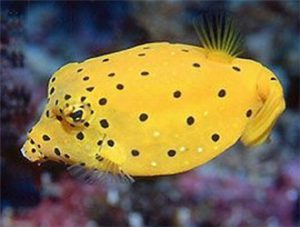
Papaya Fish
The papaya fish has a very special name and equally special looks. Its whole body is wrapped in a hard bony carapace that cannot move; only the mouth and caudal peduncle are free, so it moves very slowly.
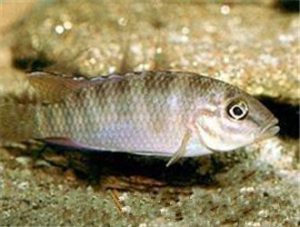
Banded-Tail Nanochromis
The Banded-Tail Nanochromis (Nanachromis caudifasciatus) is a relatively large, peaceful cichlid native to the southern river basins of Cameroon, making it a manageable species for aquarists. Males can be aggressive toward one another, so careful acclimation is needed to prevent fighting. Hardy and easy to keep, it readily breeds in the home aquarium.

Pritchard’s Turtle
Pritchard's turtle (Mauremys pritchardi) is a Geoemydidae turtle found in China and Japan. Its looks blend the Chinese pond turtle and the yellow pond turtle, and some researchers believe it is a natural hybrid — though that is not officially recognised.

Siamese Cobra
The Siamese cobra (Naja siamensis), also called the Indochinese spitting cobra, is a highly venomous elapid from mainland Southeast Asia. It defends by spitting venom up to 3 metres and can blind — it is not a casual pet.

Siamese Russell’s Viper
The Siamese Russell's viper (Daboia russelii siamensis) is a venomous pit viper marked with three rows of large round dorsal spots. Distributed across Southeast Asia and parts of China, its bite is among the deadliest of Asian snakes and it is not suitable for home keeping.