Search Results
306 results for “raising a dog”
Dog Bloated After a Meal? It Could Be Gastric Torsion — Only 4 Hours to Save Them
Acute gastric torsion in dogs, medically called GDV, twists the stomach like a towel so both ends seal shut, causing repeated dry heaves, a swollen belly, and labored breathing. It moves fast — often under 4 hours from onset to life-threatening — so rush to a vet at once. Treatment relieves pressure by tubing the stomach and gives IV fluids to correct shock.
‘Northern Dog’ Special: How to Treat Frostbite on Your Dog’s Ears
Move a dog with frostbitten ears indoors at once and wrap the body in a blanket (protect core temperature) to stop further cooling. Then apply a towel soaked in 37–38°C water to the ear for 10–15 minutes, repeat after a 5-minute gap, until the ear warms. Don't use a hot water bottle or hairdryer — too much temperature contrast worsens tissue damage. After rewarming, pat dry with sterile gauze and apply a pet moisturizing repair balm (beeswax or shea best), and use an Elizabethan collar or breathable wrap to stop scratching.
What is the biggest mistake in raising a Pug?
The top mistake with Pugs is too much exercise, since their short snouts cause breathing trouble. Keep the air clean and humid, and avoid outings during temperature swings.
Crating vs free-roaming a dog — what’s the difference?
Long-term crating can cause bone deformity and a timid personality; free-roaming dogs are more sociable and robust but face higher infection risk. Best: free at home plus daily walks.
What to Do When Your Dog’s Hind Leg Cramps
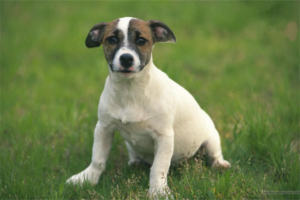
A dog's hind-leg cramp can come from poor nutrition, overexercise, low temperature, or too little activity and sore muscles. When it happens, gently massage or apply a warm compress to ease the muscle, then rest the dog in a quiet, warm place. Balance the diet, exercise moderately, and keep the environment at a comfortable temperature to lower the chance of cramps.

Is Dystocia Common in Dogs?
A dog's chance of dystocia depends on breed, age, size, health, timing, and birth history. Owners planning to breed should get a prenatal exam first to see if she is fit, and give full care during pregnancy and delivery to minimize risk and keep mother and puppies safe.

Caring for Senior Cats and Dogs: A Stage-by-Stage Longevity Plan
Cats and dogs are considered senior at around age 7, when metabolism slows and organ function begins to decline. With staged, careful care, companion pets can live an average of 2–3 years longer. This guide breaks senior care into three phases—ages 7–9, 10–12, and 13 and up—covering diet adjustments, weight control, dental and joint support, stress avoidance, and a sensible checkup schedule. The goal is not expensive supplements but steady, calm, well-planned daily care.

What Is Dog Cryptorchidism and Why Treat It?
Cryptorchidism is when one or both testicles fail to descend into the scrotum, staying in the abdomen or groin. It is strongly hereditary, an autosomal recessive trait, so affected dogs must not be bred. Because the retained testicle sits at body temperature, its cancer risk rises sharply with age and threatens the dog's life. The standard treatment is surgical removal of BOTH testicles, which also neuters the dog; recovery needs rest and limited activity for 1-2 weeks.
Can All Dogs Swim? Breeds and Dogs That Should Avoid the Water
Not every dog is born for the water. The familiar “dog paddle” is mostly a panic response that keeps a dog afloat briefly—it doesn’t provide direction, endurance, or safety in currents and deep water, and many sedentary pets tire fast and risk swallowing water or panicking. That said, some breeds with broad chests, long legs, and good muscle—Labradors, Goldens, Poodles, Spaniels, Border Collies—adapt to swimming readily. Others are high-risk: short-nosed breeds (Pugs, French/British Bulldogs, Shih Tzus, Chow Chows) have narrow airways and front-heavy builds that make breathing and balance hard; long-backed short-legged breeds (Corgis, Dachshunds, Basset Hounds) struggle to stay level; senior, fearful, or ill dogs should also stay dry. Never toss a dog in—let it wade in shallow water and cap sessions at about 20 minutes.

Common Mistakes in Dog Training
Raising an obedient dog depends on steady training, but many owners fall into habits that actually slow progress. A common mistake is waiting until a puppy is older, yet dogs mature fast and the window around three months, when they absorb and mimic readily, is prime learning time. Hitting or scolding is another trap: it breeds fear and resistance and can even trigger aggression, whereas rewards and praise build trust. Changing commands and hand signals mid-training only confuses the dog, so keep each cue consistent. Long, exhausting sessions backfire too, so keep training to 15 to 20 minute blocks in a relaxed mood. Finally, skipping socialization, the practice of meeting people, places, and other animals, leaves dogs timid or reactive. Patient, consistent, positive training paired with good nutrition is what truly shapes a well-behaved companion.