Search Results
171 results for “rabies in dogs”

Can Dog Hair Carry Rabies Virus?
Rabies virus lives in the saliva and nerve tissue of an infected dog, not in its hair, so simply touching a dog's coat cannot transmit rabies. Infection comes from a bite or scratch, and any bite should be cleaned at once and followed by a rabies vaccine.

Why You Should Leash Your Dog Outdoors
Keeping your dog leashed outdoors is responsibility to others and to your own pet. Off-leash dogs can bite children or the elderly — spreading rabies or tetanus and creating legal liability — get hit by cars, flee in fright, chase other dogs, eat spoiled or poisoned trash, catch parvovirus or distemper from sniffing urine, or be stolen. A leash keeps the dog in sight and out of trouble.
Husky Vaccination: Schedule and Vaccine Types
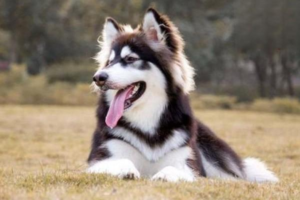
Huskies need a strict vaccine schedule — bivalent at 45 days, quadrivalent at 75, hexavalent plus rabies at 105, then yearly boosters. Use vaccines before expiry, keep the site clean, and avoid baths or heavy exercise around shots; for unvaccinated puppies at high risk, hyperimmune serum first helps.

How Many Shots of the Four-Way Vaccine Does a Dog Need, and Imported vs. Domestic Vaccines
The number of four-way vaccine shots depends on the puppy's age and size: under two months, start with a two-way shot then two four-way; over two months, three four-way shots. Imported vaccines are generally preferred for longer, more stable immunity, and a separate rabies shot is still required afterward.

What to Do If a Dog Bite Breaks the Skin
A bleeding dog bite is a medical emergency: get a rabies shot within 24 hours even if the dog was vaccinated, because prevention beats treatment after the fact. Most bites happen because we misread a dog's warnings, invade its space, or trigger its prey drive.

How to Ship a Pet by Train
Train pet shipping means vaccinating first, getting a pet immunization certificate, then a quarantine and disinfection certificate from the animal inspection office. On travel day, bring your ticket plus both certificates to the station about three hours early and use a proper travel crate.

Five Myths About Dog Vaccinations
Good vaccine prep starts with ditching common myths: more diseases per shot isn't better, a healthy look isn't a green light, all vaccines aren't equal, over-vaccinating isn't safer, and leaving right after the shot skips the allergy watch. Match the vaccine to your dog's age and antibody levels, and stay 30 minutes post-shot.

Spaying and Neutering Pets: Benefits, Risks, and Trade-offs
Neutering returns pets to a calm, pre-heat state and prevents a range of reproductive diseases, but it also raises obesity and some surgical risks. Done before the first heat, it cuts mammary-tumor risk sharply — so weigh the pros against weight control and anesthesia.

Your Dog’s First Vaccination
A vaccine is a tamed virus (rabies is killed) that teaches the body to make antibodies without causing disease. Puppies usually get their first combination shot at 45 days; toy breeds can wait to about 8 weeks. Full protection takes 2–3 weeks, so avoid baths, new food, and stress right after.
How to Vaccinate Your Dog
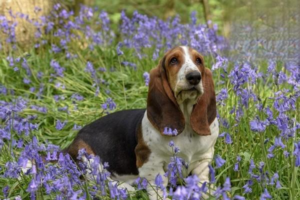
Puppies lose their mother's antibodies by about eight weeks, so the core schedule begins then: a bivalent shot at 6–7 weeks against distemper and parvovirus, the six-in-one vaccine 3–4 weeks later, and six-in-one plus rabies another 3–4 weeks on. Use one vaccine brand throughout, vaccinate only a healthy dog, skip baths for two weeks after each shot, and keep outings minimal until the series is finished.