Search Results
171 results for “rabies in dogs”

Vaccine Precautions for Cats and Dogs
Vaccines prevent disease, but only when done right; a wrong shot can harm more than help. Only healthy pets, settled at home for a week, should be vaccinated by a real vet, with antibody checks guiding boosters. This guide lists the key cautions, including the legal rule that rabies shots are yearly.

Pharyngeal Paralysis in Dogs and Cats: Symptoms, Treatment, and Prevention
Pharyngeal paralysis is loss of swallowing function in dogs and cats, causing food, water, and saliva to spill from the mouth and risking fatal aspiration pneumonia. It is usually a sign of a serious underlying neurologic disease and needs urgent veterinary care.

Rabies: Symptoms, Transmission, and the Critical Importance of Vaccination
Rabies is a fatal viral disease that affects the brain and spinal cord of mammals, including dogs, cats, and humans. It spreads through the bite of an infected animal and causes fear of water, light, and progressive paralysis. Prevention through vaccination is the only reliable defense.

Vaccination Tips for Cats and Dogs
A smooth vaccination comes down to the right timing, honest health reporting, and careful aftercare. Knowing what to do before, during, and after the shot — and why boosters matter — protects your pet when its immunity briefly dips.

When a Dog Is Infected with Rabies
Rabies is not passed before birth or through milk; a dog catches it from the saliva of a rabid animal entering a wound. Once symptoms appear there is no cure and death follows within days, so vaccination is the only real protection.

Can a Young Puppy Have Rabies?
Puppies under three months carry their mother's antibodies and are unlikely to have rabies, but after that, unvaccinated pups can. Annual shots and avoiding unknown animals are the safeguard.
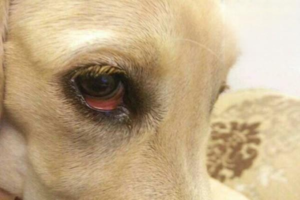
Does a Red Eye Mean Rabies?
A red eye by itself is almost never rabies; conjunctivitis or keratitis is the usual cause, while rabies adds fear of water, light, and aggression. Treat the eye with vet drops, and vaccinate against rabies.

Can a Healthy-Looking Dog Carry Rabies?
A normal-looking dog is not automatically free of rabies, though the chance it carries the virus is low; rabies is caught from another rabid animal, not made by the body. Routine vaccination is what keeps both dog and owner safe.

Does Every Dog Carry Rabies Virus?
Not every dog carries rabies, most healthy dogs do not, because the virus is caught, not born with. An infected dog usually shows signs within about ten days, and the surest protection is routine vaccination.

Can Dog Feces Carry Rabies Virus?
Rabies virus is found in an infected dog's brain, saliva, and salivary glands, not in its feces, urine, or hair, which are not infectious. The real risk is a bite or scratch, and any such wound needs immediate cleaning and a rabies vaccine.