Search Results
147 results for “rabbit winter”

Why Doe Rabbits Have Low Estrus and Conception Rates
Low doe estrus and conception come from poor feed quality or mineral gaps, wrong body condition (best about 80 percent fill), low buck semen quality from heat or drugs, too little light (does need 16 hours daily), and poor weather. Fixing the real cause beats repeated estrus powders.
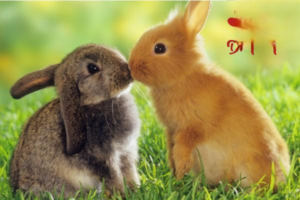
Why Do Rabbits Have Trouble Conceiving?
Poor conception in does usually traces to body condition (over-fat or under-fed), missing nutrients like vitamins A and B, poor light or temperature, reproductive disease, or weak bucks. Find the exact cause before treating — the autumn molt and old age also lower fertility.

Doe Rabbit Estrus Cycle
A doe's cycle is not fixed — it runs about 6–15 days with each heat lasting 2–4 days, shaped by nutrition, light, and climate. Heat rates and shorter cycles peak in spring and early autumn with good light and mild temperatures; cold, low light, poor nutrition, illness, or stress can delay or stop heat. By age 4–5 the ovaries fade and cycling ends.

Why Won’t a Rabbit Cycle?
A rabbit may not cycle from being too fat or thin, lack of winter light and greens, disease (vaginal or oviduct defects needing culling), or simply being too young to be sexually mature. Fixes: balance body condition; in winter give sun and vitamin-rich veg like carrot, cabbage, or pumpkin; herbal teasers (motherwort plus black soybean), hormone shots (PMSG), or buck induction for 1–2 hours.

How to Determine the Right Feed Amount for a Rabbit
The right daily feed amount for a rabbit depends on body size, body condition, droppings, hunger level, and weather. As a rule, feed to about 80% fullness, adjust greens and water based on stool consistency, and split feedings across the cooler parts of the day in hot weather.
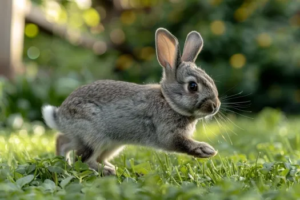
How to Raise Meat Rabbits Well
Raising meat rabbits well means timing breeding to the seasons (spring best, summer cooling, autumn nutrition during molt, winter warmth), mixing concentrate, roughage, and green feed or using complete pellets, and choosing fast-growing, disease-resistant breeds such as Belgian, New Zealand, or Chinese White rabbits.

How to Breed Rex Rabbits
Breeding rex rabbits well means setting the first-mating age at 5 to 6 months (about 3 kg), mating in spring or late autumn, using repeated mating 8 hours apart to lift conception, feeding extra protein and vitamins before breeding, and limiting the buck to no more than two matings a day.
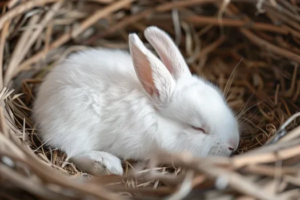
How to Care for and Manage Nursling Rabbits
Nursling (unweaned) rabbits are the hardest to raise because their bodily systems are immature and even slight chilling can be fatal. Key management steps include ensuring prompt colostrum intake, keeping the nest warm and rat-free, feeding on a set schedule, starting supplemental feed at 18 days, and weaning scientifically.
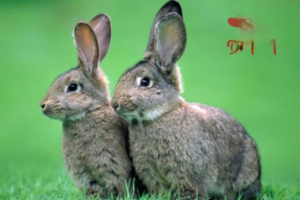
Seasonal Care Tips for Raising Rabbits
Weather strongly affects a rabbit's behavior and health, and harsh conditions can be dangerous. Good husbandry means adapting care by season—controlling moisture and preventing coccidiosis in spring, avoiding breeding and beating the heat in summer, boosting nutrition and guarding against respiratory illness in autumn, and keeping warm in winter.

How to Identify Pododermatitis (Sore Hocks) in Rabbits
Many owners raise rabbits in dog cages, but rabbits raised this way are prone to pododermatitis. Perhaps some owners know to put padding on the cage floor, but if the padding quality is poor or the method is wrong, it will still cause rabbits to get pododermatitis. Rabbit pododermatitis can be treated, but it is troublesome to treat. Below we detail the identification and treatment of rabbit pododermatitis, hoping to help you.