Search Results
48 results for “rabbit vaccine”

Do I Need a Vaccine After a Rabbit Bite?
Generally, you do not need a rabies vaccine after a rabbit bite. Rabies is carried mainly by dogs, cats, bats, and foxes, while rabbits are rodents with a very low chance of hosting the virus, so infection from a rabbit is unlikely. A tetanus shot may be worth considering for deep or large wounds, and a wild-rabbit bite should be checked at an infectious-disease clinic. Whatever the source, wash the wound promptly with warm water and mild soap, then disinfect with iodine or alcohol to prevent bacterial infection.
Common Mistakes in Feeding Rex Rabbits
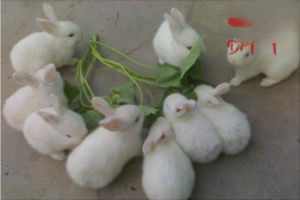
Common rex-rabbit feeding mistakes include all-concentrate diets, whole grains instead of pellets, blanket antibiotic use, freezing vaccines, and unsafe mite treatment with soap plus trichlorfon. Each disrupts gut flora or destroys vaccine potency and can sicken or kill rabbits.

Disease Prevention for Newly Weaned Rabbit Kits
Newly weaned kits face three big threats: coccidiosis (prevent with medication from supplementation through 3 months), diarrhea from enteritis/E. coli/Clostridium (prevent via strict feeding), and rabbit hemorrhagic disease (vaccinate—no cure, so boost all stock on outbreak). Good prevention raises survival.
Rabbit Feeding Rules
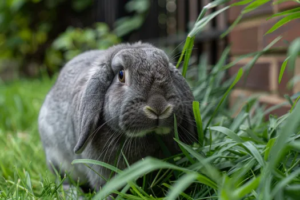
The kit-to-juvenile stage needs extra care. Vaccinate at 30–45 days, feed weaned juveniles pellets four times daily in small amounts, limit greens for light kits, give breeding stock peanuts, and never use chicken or pig feed—only rabbit-specific pellets with alfalfa-based hay powder.

Characteristics of Pododermatitis Onset in Rex Rabbits
Rex rabbit pododermatitis is a relatively common disease in rabbits and causes significant harm. Although it does not cause immediate death, it can cause great economic losses to rabbit farms. After rex rabbits develop pododermatitis, their appetite decreases and their body gradually becomes emaciated. The disease affects the breeding value of breeding rabbits and the fur quality of commercial rabbits, causing serious economic losses. Today we introduce the onset characteristics of rabbit pododermatitis.

How to Prevent and Treat Rabbit Vesicular Stomatitis
Rabbit vesicular stomatitis has no vaccine or specific cure, so control relies on integrated biosecurity plus symptomatic care. Prevention: good husbandry, no moldy feed, smooth cages to protect teeth. Treatment: isolate, disinfect with 20% caustic soda or 0.5% peracetic acid, rinse mouth and apply iodine glycerin, oral sulfamethazine, and herbal supports.

Rabbit Salmonellosis
Rabbit salmonellosis is a digestive disease caused by Salmonella typhimurium and Salmonella enteritidis, mainly hitting pregnant does. The bacteria are weak against disinfectants such as 3% lysol or 5% lime milk. Prevention centers on hygiene, flock screening, and killed vaccines for breeding and pregnant does.

Taboos You Must Know When Raising Rabbits
Many rabbit-keeping pitfalls are easy to overlook, especially on large farms. Avoid continuous back-to-back breeding, using crossbred rabbits as breeders, combining vaccination, deworming, and medication at once, blind medication, over-relying on feed additives, and feeding a single monotonous diet.
The Pathogenesis of Rabbit Red-Eye Disease
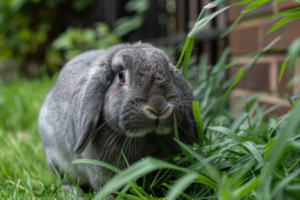
Red-eye disease is another name for rabbit conjunctivitis—a common, serious, contagious illness caused mainly by pasteurella overgrowth. This article explains how it develops, its incubation, and treatment.

At What Temperature Do Rabbits Freeze to Death?
Rabbits die below 5°C — their floor — and feel unwell below 10°C, so winter warmth is a must. This guide covers the warming steps and vaccines to keep them safe.