Search Results
9 results for “rabbit shearing”

6 Ways to Trigger Estrus in a Non-Cycling Doe Rabbit
A doe that will not cycle can be brought into estrus by patting the vulva, weaning her kits, shearing long fur, feeding carrots, or using hormones (FSH, hCG, PMSG) and vitamin E or epimedium. Success rates range from 75 to over 95 percent depending on the method.
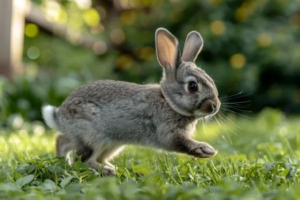
What to Note When Plucking Long-Haired Rabbits
Long-haired rabbits yield much wool, a main fur breed. If you keep one, learn shearing. Plucking is not simple - many notes. Here they are.
Measures Owners Should Take for Long-Haired Rabbits in Winter
Winter care focuses on cold protection; short daylight and scarce greens also challenge raising. We hope this helps the rabbit through winter.

Winter Rabbit Care Tips
Winter is easier than summer but has its own rules — warmth, more feed, timed shearing, exercise, hygiene, and breeding prep. This guide covers the six points.
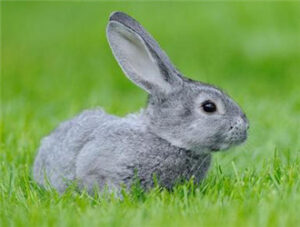
Chinchilla Rabbit
The Chinchilla Rabbit is an excellent fur-and-meat dual-purpose economic rabbit introduced to China, where it has been raised for a long time and has adapted well, making it fairly common.

Preventing and Treating Rabbit Pasteurellosis
Pasteurella multocida lives quietly in the nasal and tonsillar tissue of many healthy rabbits and strikes only when stress or poor husbandry lowers resistance, spreading through secretions and contaminated feed or water. Control it with strict sanitation, regular vaccination, and prompt antibiotic or antiserum treatment.
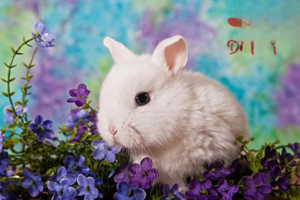
How to Shear an Angora (Long-Haired) Rabbit
Angora rabbits are raised mainly for their wool, and learning to shear them correctly protects both fiber quality and the animal's health. A mature rabbit is typically sheared about four times a year, once per season, with the best grades harvested in March, June, September, and November. Shear close to the skin in a set order, back midline, sides, rump, neck, jowl, belly, legs, never a second pass over the same spot, and time the job for a breezy, clear day with warm bedding afterward.
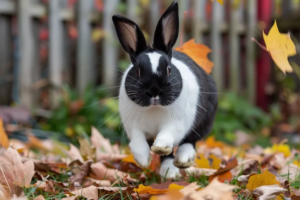
What Factors Affect a Rabbit’s Wool Production?
A rabbit's wool output depends on breed, sex, body weight, age, nutrition, and the season and temperature around it. Long-haired German-line rabbits usually produce the most fine wool, while females and neutered males tend to out-yield intact males, and rabbits between one and three years old are at their peak. Steady, balanced feeding with enough protein supports follicle growth, and cooler weather raises output. To boost production, choose strong breeding stock, use crossbred vigour, feed well, manage the environment, and harvest the wool on a sensible schedule.

Angora Rabbit
The Angora Rabbit is the fluffy 'grass-mud rabbit' kept for its superfine wool (11 microns, finer than cashmere). Gentle but high-maintenance, it needs shearing every 3–4 months and constant hay to avoid deadly wool block (hairball impaction). Lifespan about 5–7 years.