Search Results
20 results for “rabbit parasite control”

Do Rabbits Need Deworming?
Yes — pet rabbits need regular deworming even though their high body temperature limits fleas and lice; poor hygiene can still bring mites. Start at 2 months: kits 2-6 months monthly, over 6 months every ~3 months, adults every 6-12 months. Dose carefully (most products are toxic), disinfect feces with lime milk, treat all rabbits together, and sanitize the cage with boiling water or sun.
What are the symptoms of coccidiosis in rabbits?
Rabbit coccidiosis is a common parasitic infection in rabbits. Its common symptoms include diarrhea, fever, decreased appetite, weight loss, and emaciation, and in severe cases it can lead to sudden death. Therefore, timely prevention and treatment are very important for controlling the spread of the disease. Coccidiosis mainly spreads through contact with an environment contaminated by the parasite, especially by drinking polluted water or eating hay infected with coccidia, so the owner should keep the rabbit's diet and living environment clean. If you notice symptoms of coccidiosis, deworm the rabbit promptly.

New Zealand Rabbit
The New Zealand Rabbit is a meat rabbit breed originally from the United States, now promoted worldwide. It is numerous, economically profitable, and highly adaptable to the environment. It is kept in large numbers in China's rural areas, with high meat yield and a large body.
Belgian Rabbit
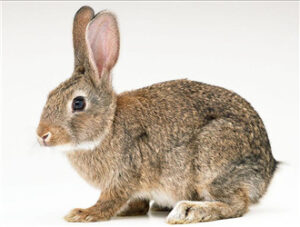
The Belgian Rabbit, also known as the Giant Gray Rabbit or Flemish Giant, is a famous meat rabbit breed originally from Belgium. With its large build, yellowish-brown coat, and high meat yield, it is mostly raised on farms in rural areas rather than kept as a pet.

Rabbit Mange (Scabies): Symptoms and Control
Rabbit mange is a highly contagious mite infestation starting on low-fur areas (nose, eyes, claws, ears) and causing intense itch, scabs, hair loss, weight loss, and death if untreated. Isolate the sick rabbit at once, disinfect everything, and treat mild cases with ivermectin or trichlorfon plus 2% iodine; keep housing clean, dry, and well-lit to prevent it.

What to Do When a Rabbit Has Diarrhea
Rabbit diarrhea is common and can turn critical fast, especially in weanlings that have lost maternal antibodies. Treat infections with rabbit-safe antibiotics and keep the cage clean and dry; prevent it with safe food, gradual feed changes and isolation of sick rabbits.

Preventing and Treating Rabbit Pasteurellosis
Pasteurella multocida lives quietly in the nasal and tonsillar tissue of many healthy rabbits and strikes only when stress or poor husbandry lowers resistance, spreading through secretions and contaminated feed or water. Control it with strict sanitation, regular vaccination, and prompt antibiotic or antiserum treatment.

What to Do If Your Rabbit Has Fleas
If your rabbit has fleas, isolate it first and disinfect its environment to kill fleas there. Then treat the rabbit with a cat-safe topical flea product (few rabbit-specific ones exist), watching the dose to avoid poisoning, and use an Elizabethan collar. Keep the habitat clean and check the coat regularly to prevent reinfestation.

Why Do Rabbits Get Ear Mites?
Rabbits usually pick up ear mites from damp, unsanitary living conditions and weak immunity. Keep the hutch clean and dry, check the ears often, and see a vet at the first sign of head-shaking, scratching, or discharge.

How to Help Your Rabbit Live Longer
A longer rabbit life comes from a dry, calm, 15–25°C environment, a balanced diet of hay, pellets, and limited fresh produce, regular parasite control, daily exercise, and gentle handling. Avoid frequent baths, tap water, and too much watery food, which can cause stress or diarrhea.