Search Results
199 results for “rabbit low appetite”

Rabbit Breeding Characteristics
Rabbits are extremely fertile but have no regular estrous cycle — they are induced ovulators that release eggs only after mating or drug stimulation, 10–12 hours later. They have two separate uteri (allowing double pregnancies), mate most successfully around dawn and dusk, and suffer summer infertility, especially males. Pseudopregnancy is common and prevented by re-mating.
Preventing and Treating Rabbit Paratyphoid (Salmonellosis)
Rabbit paratyphoid (salmonellosis) is a zoonotic infection spread by contaminated feed and water, rodents, and flies; signs range from sudden death to diarrhea, wasting, and abortion in pregnant does. Control it by excluding vectors and vaccinating does, and treat with chloramphenicol, oxytetracycline, streptomycin, or sulfonamides.

When Is a Rabbit Considered a Senior, and How Should You Feed an Older Rabbit?
Most rabbits are seniors at 5+ years (small breeds earlier, giant breeds by 3-4). Aging shows as less appetite, more sleeping, lower activity, and a coarser coat. Care means a clean environment, extra protein with unlimited hay, and more companionship.
Key Points for Raising and Managing a Baby Rabbit
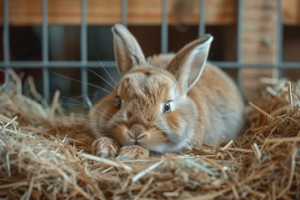
Baby rabbits are fragile: feed junior pellets and alfalfa (not fruit/veg), give clean water (never tap), keep the cage clean and quiet, hold temperature near 20 C (15-30 range), and prevent diarrhea and coccidiosis.

How to Care for a Pet Rabbit, Especially One Newly Brought Home
Rabbits need hay (alfalfa for young, timothy for adults), pellets and veg twice daily, fresh water, a dry 15-25 C home, and no baths. A new rabbit needs quiet, limited space, separation from residents, and a fecal test (not yet deworming) at the vet.

Common Rabbit Diseases in Winter and How to Prevent Them
Cold, dry winters challenge small, fragile rabbits. To help your rabbit through the season safely, prepare ahead. Here are the diseases rabbits face in winter and how to prevent and treat them.

What Not to Do When Raising a Rabbit
Pet rabbits need care and skill; they are fragile with sensitive guts and specific temperature and humidity needs. Neglect leads to illness and death. Here are the don'ts of keeping a pet rabbit.
Common Dental Problems in Rabbits
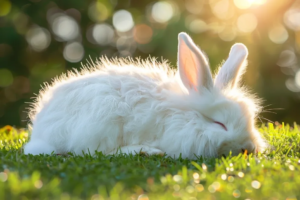
Rabbit teeth grow for life, and many rabbits get overlong teeth from too little chewing. They also often suffer malocclusion. This article covers common rabbit dental diseases.
My male rabbit won’t eat and is listless, with very cold ears—what should I do?
Sick rabbits show reduced appetite, lethargy, slow response and low temperature. Rabbit diseases vary, so symptoms differ; send it to a vet promptly, or if impossible, treat by symptoms without delay. If it refuses food, is listless and body is cold, it may be hypothermic or dehydrated and in danger—warm it at once, give electrolytes or glucose water by vein or mouth, then treat by other symptoms.

Benefits and Risks of Spaying or Neutering Your Rabbit
A rabbit in season can spray urine, chew furniture and wires, turn irritable, and even bite. Spaying or neutering curbs these behaviors and also prevents over-breeding and lowers the risk of reproductive cancers, extending a doe's life. The procedure does carry surgical risks—anesthesia, wound infection, and slowed gut motility—but they are low in experienced hands, and timing matters most.