Search Results
99 results for “rabbit health check”

What Happens If a Rabbit Gets Caught in the Rain?
Rabbits tolerate neither cold nor heat, so rain easily makes them ill—soaked fur drops body temperature and invites colds and pneumonia, while dampness breeds skin infections like eczema and fungus, and chills can shut down digestion and cause diarrhea. Keep their home dry and sheltered, add warm bedding in wet weather, and watch for redness, itching, or appetite loss.
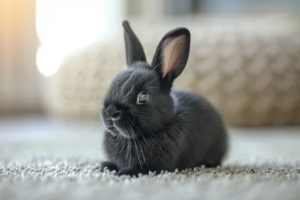
What Happens When a Rabbit Is Obese?
Obesity hurts a rabbit's health and happiness—it strains body function, raises the risk of heart disease and arthritis (often showing in old age), cuts mobility, and overloads the feet, inviting sore hocks. Causes are high-sugar/starch overfeeding, lack of space to move, and genetics. Prevent with high-fiber food, room to run, and weight checks.

What to Do If Your Rabbit Has Fleas
If your rabbit has fleas, isolate it first and disinfect its environment to kill fleas there. Then treat the rabbit with a cat-safe topical flea product (few rabbit-specific ones exist), watching the dose to avoid poisoning, and use an Elizabethan collar. Keep the habitat clean and check the coat regularly to prevent reinfestation.

Are Polish Rabbits Easy to Care For?
Polish rabbits are gentle, adaptable, and relatively low-maintenance. They need quality hay, fresh vegetables, a warm and dry enclosure with room to move, and regular cleaning to stay healthy.

Why Do Rabbits Get Ear Mites?
Rabbits usually pick up ear mites from damp, unsanitary living conditions and weak immunity. Keep the hutch clean and dry, check the ears often, and see a vet at the first sign of head-shaking, scratching, or discharge.

How to Care for Rabbits in Winter
Winter rabbit care centers on warmth, nutrition, exercise, and health checks. Provide a well-insulated, draft-free hutch with soft bedding, feed extra high-energy food and offer warm water (30-40C), and let them exercise and sunbathe on milder days.

Why Is My Rabbit’s Tooth Loose?
A rabbit's loose tooth usually points to diet (food too hard), a vitamin C deficiency, injury, or dental disease such as pulpitis. Fix it by balancing the diet around hay, offering safe chew toys, treating injuries, and scheduling regular dental checks—and see a vet if the cause is unclear.

How to Help Your Rabbit Live Longer
A longer rabbit life comes from a dry, calm, 15–25°C environment, a balanced diet of hay, pellets, and limited fresh produce, regular parasite control, daily exercise, and gentle handling. Avoid frequent baths, tap water, and too much watery food, which can cause stress or diarrhea.

Why Does a Rabbit Keep Making ‘Puff Puff’ Sounds
A rabbit's 'puff puff' sound is usually sneezing or a mild breathing noise from excitement. Causes include allergies (dust, pollen, cleaners, food), respiratory infection (with discharge, cough, appetite loss), poor air quality, or a nasal foreign body like a hair. Clean the environment and see a vet if it persists with other symptoms.

Simple Treatments for Rabbit Stomatitis (Mouth Inflammation)
Rabbit stomatitis—from bacteria, poor nutrition, or overgrown teeth—shows as mouth ulcers, drooling, and appetite loss, and can be fatal if untreated. Rinse with a pet oral cleaner or saline, use a mouth spray or iodine glycerin on ulcers, soften the diet, add vitamins B and C, and see a vet for antibiotics or a tooth trim.