Search Results
99 results for “rabbit health check”

How to Set Up a Rabbit Hutch
Rabbits live in cages long term, so a comfortable hutch is essential, and place it away from damp, dark spots. This article details the items and cautions for setting up a rabbit hutch.

Lop Rabbit Care Essentials
Lop rabbits make popular pets but need correct care. Buy a 2 to 3 month healthy one, feed pellets and hay as staples with small vegetable and fruit treats (none under 6 months), never meat or spicy food, and keep cats away to avoid toxoplasmosis. Litter-train early, walk at dusk on safe ground, keep 18 to 25°C, and groom, bathe monthly, and trim nails.

Rabbit Louse Infestation: Signs and Treatment
Rabbit pediculosis is caused by the rabbit blood-sucking louse (Haemodipsus), spread by contact, that bites and itches the skin, causing restlessness, weight loss, and poor coats, worst in kits. Spot the lice and yellow eggs at the fur base; treat with ivermectin injection or coumaphos/trichlorfon/fenvalerate washes, and prevent by quarantine, cleaning, and routine deworming.

How to Improve the Survival Rate of Young Rabbits
Weaned rabbits under three months old have the lowest survival rate of any age group, with more than half of deaths caused by digestive disorders. Boost survival by minimizing stress during the transition, keeping a calm and clean environment, feeding small frequent meals of digestible high-fiber pellets, and following a strict vaccination and coccidiosis-prevention program.

Key Points for Selecting Breeding Rabbits
Breeding stock is the core of a rabbitry, so selection must be planned and scientific. For meat rabbits check growth, feed conversion (2.8–3.2:1), conception rate (≥85%), litter size (≥6–8) and weaning survival (≥80%). For wool rabbits judge yield, density, length and evenness; for rex rabbits judge color purity, fur that is short, flat, fine, dense and secure, and adult weight above 3.5 kg. Always verify the animal's health.

How to Care for a Pet Rabbit, Especially One Newly Brought Home
Rabbits need hay (alfalfa for young, timothy for adults), pellets and veg twice daily, fresh water, a dry 15-25 C home, and no baths. A new rabbit needs quiet, limited space, separation from residents, and a fecal test (not yet deworming) at the vet.
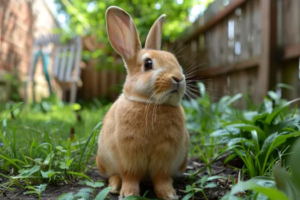
What to Prepare Before a Doe Rabbit Gives Birth
Before a doe gives birth, prepare well; how ready you are directly affects the kits' survival, since does eating kits or kits freezing are not rare. What should you prepare? Let's look.

Benefits and Risks of Spaying or Neutering Your Rabbit
A rabbit in season can spray urine, chew furniture and wires, turn irritable, and even bite. Spaying or neutering curbs these behaviors and also prevents over-breeding and lowers the risk of reproductive cancers, extending a doe's life. The procedure does carry surgical risks—anesthesia, wound infection, and slowed gut motility—but they are low in experienced hands, and timing matters most.

Why Does My Rabbit Keep Squinting?
Squinting can be normal - a relaxed, comfortable rabbit may squint contentedly, and in bright light it squints to protect its eyes. But long squinting can also mean a foreign object or eye disease; check the eye, and remove any debris. If you see redness or discharge, see a vet.

What Is a Rabbit’s Normal Breathing Rate?
A rabbit's normal breathing rate is 30-40 breaths per minute; young rabbits breathe faster at 40-60. Heart rate tracks body size, so smaller rabbits have faster hearts. Exercise or stress raises the rate, helping deliver oxygen. But if a calm rabbit keeps panting, it likely signals a respiratory or heart problem, so see a vet.