Search Results
483 results for “rabbit food”

Basset Hound
The Basset Hound, also known as the French Short-legged Hound, originates from France. An ancient and noble scent hound, it was developed in Britain from French bloodlines and was traditionally used to track rabbits, deer, and other game by scent.

Beagle
The Beagle, also called the Beagle Rabbit Hound, originates in Britain and is classed as a scent hound. Small in size, it was bred to hunt rabbits, and its loud voice earned it the name 'Bell of the Forest.' It is a popular, friendly family companion.

Mexican Hairless
The Mexican Hairless Dog, originating in 16th-century Mexico, is a small companion breed resembling the Chinese Crested. Hairless with spotted pink skin, it is gentle, friendly, and unique, though its bare skin needs special protection.

Manchester Terier
The Manchester Terrier, a sleek, intelligent ratting and rabbit-hunting terrier from 16th-century Britain, is lively and alert with a strong loyalty to one owner. A clean, devoted family dog, it gets along with children and other dogs.

Pharaoh Hound
The Pharaoh Hound is an ancient Maltese breed prized for its noble looks, amber eyes and keen hunting instinct. Alert, affectionate and playful, it is a gifted rabbit-hunting dog and devoted companion.
What do foxes generally eat?
Foxes are carnivorous, mainly eating small mammals like rabbits, pheasants, rats, and birds, plus occasional berries when food is scarce. Many species exist with slight dietary differences, but all are meat-based.
What does a golden python like to eat?
The golden python is carnivorous, mainly eating rodents like mice and rabbits. It may also attack birds or reptiles; hunting depends on size and age. It hunts actively using sight and smell, preferring night, resting in grass or rock crevices by day. Larger ones eat more and digest longer, feeding about once a week.
What Pets Eat Mealworms?
Hamsters, guinea pigs, chinchillas, rabbits, and some pet birds can eat mealworms, but not too many, to avoid nutritional imbalance or gut burden. Mealworms are high-protein, low-fat pet food.

Why Guinea Pigs Develop Malocclusion (Bad Bite)
Guinea pig malocclusion is common because their teeth grow continuously and need constant wear. Signs include trouble chewing or swallowing and reduced intake; diagnosis is by exam or imaging under anesthesia. Treatment is dental burring to restore the bite - extractions are nearly impossible. Feed high-fiber food and schedule checkups.
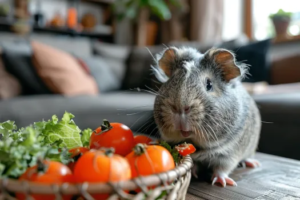
Guinea Pig Biological Traits and Characteristics
Guinea pigs are social, gentle prey animals that need dry, warm, clean housing and a high-fiber vegetarian diet. They are sensitive to smell, sound, and temperature; prone to pneumonia in poor air; and unusually sensitive to antibiotics such as penicillin. Their long pregnancy ends in fully developed pups that walk within an hour.