Search Results
483 results for “rabbit food”

Rabbit Viral Hemorrhagic Disease: Symptoms and Prevention
Rabbit viral hemorrhagic disease (RHD, or 'rabbit plague') is a highly contagious viral infection with up to 100% mortality and no specific cure. Control relies on the semi-annual RHD vaccine, strict hygiene, and disinfecting feed and water contaminated by sick rabbits.

Rabbit Stress: Causes, Signs, and How to Avoid It
Rabbits are timid and sharp-eared, so strong or repeated shocks can stress them severely, even fatally. Causes include changed water or feed, weather, noise, light, moves, and strangers; signs are raised pulse and breathing, restlessness or hiding, refusing food, and does crushing or rejecting kits. Avoid stress with steady routines, fixed light, temperature control, quiet, and gradual feed changes.
Rabbit Hairball Disease: Causes and Treatment
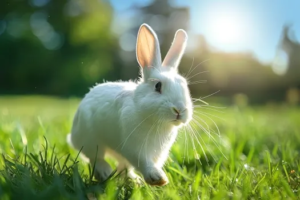
Hairball disease, common in long-haired rabbits, comes from swallowing too much fur and blocks the gut with constipation, bloating, and sometimes death. Causes range from cramped cages and poor diet to vitamin or mineral gaps and skin disease. Prevent it with full-ratio feed, isolation of fur-eaters, and regular grooming; treat with vegetable oil and enzyme tablets to pass the mass.

Why Rabbits Get Angry and How They Show It
Rabbits are a bit willful and can sulk for no clear reason, then quietly calm down. But their anger isn't always petty; sometimes the owner missed something. Here are the common causes and signs.

Why Is My Rabbit Passing Red Stool?
Red stool can be harmless—red-pigmented foods like red spinach or mustard greens—or a warning of bleeding from gut inflammation, gastritis, or an anal tear. Overfeeding concentrated feed ferments in the cecum, upsets the gut flora, and causes enteritis with bloody diarrhea. Keep the home dry and airy, prevent coccidiosis, use a smooth cage floor, feed vegetables in moderation, give chew toys, control portions (rabbits have no fullness cue), and balance grain, greens, hay, and water.
How long can a pet rabbit survive without eating?
A pet rabbit can survive 3-7 days without food. Baby rabbits are weak and may be in danger after about 3 days, while adults can last about 7 days. Still, long hunger seriously harms health, so feed on a fixed schedule with proper amounts.

When Is a Rabbit Considered a Senior, and How Should You Feed an Older Rabbit?
Most rabbits are seniors at 5+ years (small breeds earlier, giant breeds by 3-4). Aging shows as less appetite, more sleeping, lower activity, and a coarser coat. Care means a clean environment, extra protein with unlimited hay, and more companionship.
At what age is a lop rabbit weaned?
A lop rabbit can usually be weaned around 40 days after birth, ideally once its weight exceeds 500 grams. A week before weaning, feed some junior pellets to avoid gut upset from a big diet change. Keep diet and environment stable right after weaning to help it through.
What to Do When Your Rabbit Won’t Eat Pellets
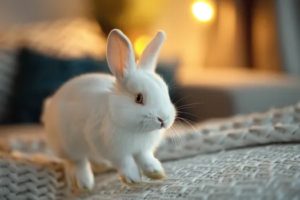
A rabbit may refuse pellets if they taste bad, after a sudden switch, or from gut upset. Pick high-fiber pellets, switch over 7 days, feed hay as the 80% staple, and see a vet if illness is the cause.
Key Points for Raising and Managing a Baby Rabbit
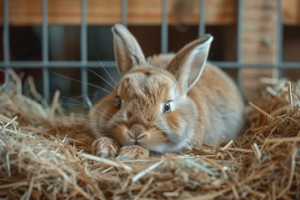
Baby rabbits are fragile: feed junior pellets and alfalfa (not fruit/veg), give clean water (never tap), keep the cage clean and quiet, hold temperature near 20 C (15-30 range), and prevent diarrhea and coccidiosis.