Search Results
483 results for “rabbit food”

Why a Rabbit’s Foot Fur Turns Yellow and What to Do
Yellow fur on a rabbit's feet is usually urine staining, but it can also signal poor nutrition or a normal molt. Left uncleaned, urine corrodes the skin and causes sores — here's how to find the cause and fix it.
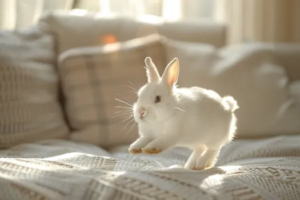
Key Management for Raising Baby Rabbits
A baby rabbit is usually one from weaning to three months, the hardest age to keep and the time with the highest death rate. Here are the key management tasks to raise survival.

Can Rabbit Mange Infect People — and How to Treat It
Rabbit mange rarely spreads to people if your skin is healthy and you wash and disinfect after contact, but those with weak immunity can catch it — wear gloves. Treat by isolating, clipping and cleaning lesions, wiping with 2% iodine, an Elizabethan collar, weekly miticide (trichlorfon) to kill hatched larvae, environmental spraying, and good nutrition.

Why Is My Rabbit Suddenly Limp All Over?
A limp rabbit may be from calcium deficiency, low blood sugar, low energy intake, or cold/hard-to-digest food. Tell normal rest (jumps up when called) from pathology (slow, won't move or eat). Hypoglycemia needs warming and syringe-fed glucose water, then a vet. Feed on schedule with hay and pellets, and see a vet for persistent limpness or dry stool.
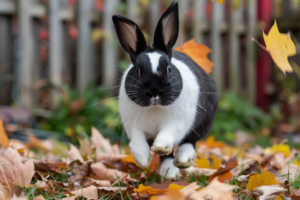
When Does a Rabbit Enter Old Age?
Rabbits live 5–12 years; most reach the senior stage after age 5 (small breeds like the Netherland Dwarf as early as 4). Seniors show weaker digestion, more sleep, slower movement, frequent soft stools, and white, matted fur. Care means a soft floor, senior food with unlimited hay, plenty of water, and companionship.

Common Pet Rabbit Breeds and How to Care for Them
Rabbits are cute and quiet, and many people love them. But which breed makes the best pet? Here are common pet rabbit breeds and how to care for them.

How to Choose the Best Bedding for Rabbits
Rabbit urine is very smelly; bedding in the cage absorbs urine, keeps the rabbit from prolonged contact with it, and reduces odor. But rabbits may eat bedding, so choose safe, dust-free, deodorizing material. This article compares common rabbit beddings.

Best Seasons for Rabbit Breeding
Rabbits can breed year-round, but temperature drives estrus, conception and litter size. Spring is ideal (80%+ estrus, 7–8 kits); autumn is good with extra nutrition; summer and winter need shade, cooling, warmth and added greens to succeed.
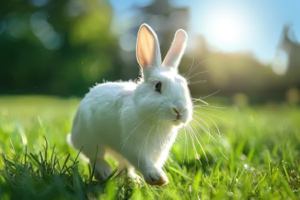
What to Do When a Rabbit Has Diarrhea
Rabbit diarrhea is common and can turn critical fast, especially in weanlings that have lost maternal antibodies. Treat infections with rabbit-safe antibiotics and keep the cage clean and dry; prevent it with safe food, gradual feed changes and isolation of sick rabbits.

Lop Rabbit Care Essentials
Lop rabbits make popular pets but need correct care. Buy a 2 to 3 month healthy one, feed pellets and hay as staples with small vegetable and fruit treats (none under 6 months), never meat or spicy food, and keep cats away to avoid toxoplasmosis. Litter-train early, walk at dusk on safe ground, keep 18 to 25°C, and groom, bathe monthly, and trim nails.