Search Results
8 results for “rabbit first aid”
How to Improve Rex Rabbit Pelt Quality
Rex rabbit pelt quality depends on breeding, early growth, and feeding. Use cross-line breeding with strong lines, push weight gain before 3.5 months then limit it, feed complete pellets with additives, keep the hutch near 25°C and 55 to 65% humidity, and slaughter at about 5 months and 2.5 to 3 kg.
How to Feed a Panda Rabbit, and What to Watch For
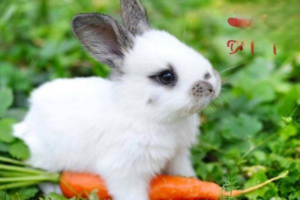
The panda rabbit, also called the Dutch rabbit or Dodge rabbit, has white fur with built-in 'dark eye patches', earning the panda nickname and growing popular in China. But raising one is not as simple as it seems; diet needs special care. Here is how to feed a panda rabbit and what to note.
Why is my rabbit not eating, drinking or moving?
A rabbit that won't eat, drink or move is likely unwell. If it lives only on hay it may become malnourished and deficient in trace elements, causing loss of appetite and lethargy, so offer occasional fruit and vegetables. Constipation can cause the same signs - try pet probiotics and honey water to aid digestion. Dirty water causing enteritis or dehydration can also be the cause, so see a vet if it persists.
Can a rabbit’s cold get better on its own?
A rabbit's cold usually will not heal on its own and can worsen without treatment; delay may lead to pneumonia. A few strong rabbits might recover from mild cases, but do not rely on that. At the first sign, see a vet or treat under guidance.

How Many Times a Day Should You Feed a Rabbit?
Most adult rabbits do well on two meals a day, while growing juveniles need three to four smaller feedings; seniors or rabbits with health issues may need adjusted schedules per a vet. Base the diet on unlimited hay, a measured amount of pellets, and limited fresh vegetables, and keep portions modest to avoid obesity and gut trouble. Watch appetite and weight and adjust as needed.

Dutch Rabbit
The Dutch Rabbit is a small, distinctly marked pet rabbit with a white inverted-V on the face and a sharp color split between front and back. Gentle, smart, and nearly odorless, it needs timothy hay, a chew stick, steady 25–32°C, and a wire-free, dry cage. Lifespan about 5–7 years.

Golden Python
The Golden Python is a patternless, leucistic morph of the Burmese python (Python bivittatus), prized for its uniform golden-cream coloration. Wild-type individuals cannot survive in nature due to a lack of protective melanin, so every specimen in captivity is captive-bred. A large, heat-loving constrictor, it needs steady temperatures of 26–33°C, regular soaking to aid shedding, and a diet of whole rodents or rabbits.

A Guide to Cat Toys
Cat toys split into three kinds: ones you use together to build bonding, ones a cat can enjoy alone when bored, and a few that need supervision. Picking the right type keeps play safe and fun.