Search Results
135 results for “rabbit feed mix”

How to Fatten Meat Rabbits Quickly
Fast fattening of meat rabbits relies on careful kit management, supplemental feeding from 18 days, ample water, staged rations (40–60 g feed at 60 days, 90–120 g at 60–120 days), mixed-age grouping to boost intake ~15%, and disease prevention.

Precautions in Raising Rabbits
Keep rabbits apart from chickens (disease cross-infection like coccidiosis, pasteurellosis), avoid asbestos roofing (fiber cough), don't yank ears when handling, don't feed only silage (acidosis), avoid oral antibiotics, and ensure adequate light for breeding.

How to Raise Meat Rabbits Well
Raising meat rabbits well means timing breeding to the seasons (spring best, summer cooling, autumn nutrition during molt, winter warmth), mixing concentrate, roughage, and green feed or using complete pellets, and choosing fast-growing, disease-resistant breeds such as Belgian, New Zealand, or Chinese White rabbits.

Seasonal Care Tips for Raising Rabbits
Weather strongly affects a rabbit's behavior and health, and harsh conditions can be dangerous. Good husbandry means adapting care by season—controlling moisture and preventing coccidiosis in spring, avoiding breeding and beating the heat in summer, boosting nutrition and guarding against respiratory illness in autumn, and keeping warm in winter.

How to Feed Rabbits Fresh Greens Properly
Fresh greens benefit rabbits—they help prevent disease, control body condition, and counter heat and humidity—but must follow three rules: feed little and often, pair with concentrated feed for energy, and serve fresh rather than cooked.

Eight Key Things to Know When Raising Rabbits
Rabbits are fragile and sensitive to change, so good husbandry means watching for warning signs—unusual sounds or smells, sudden temperature shifts, abrupt feed or environment changes—plus careful care for weanlings, new stock, and during outbreaks.

Preventing and Treating Spring Rhinitis in Rex Rabbits
Spring temperature swings drive rex-rabbit rhinitis, spread by air through the respiratory tract; kits die fast, adults often go chronic and lose breeding value. Prevent with ventilation, vaccination, low density, and isolation; treat with penicillin-streptomycin injections and chloramphenicol drops.

What to Watch When Feeding Rabbits Different Feeds
Rabbit feeds include greens, pellets, roughage, and concentrates, each with rules: keep greens clean, mix legumes with grasses, avoid mold, feed tender young greens sparingly, and check for toxic plants. For roughage, understand drying methods—artificial high-heat hay keeps the most nutrients.
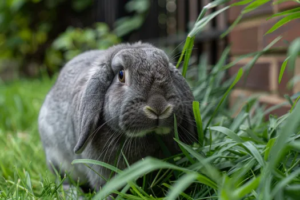
Rabbit Feeding Rules
The kit-to-juvenile stage needs extra care. Vaccinate at 30–45 days, feed weaned juveniles pellets four times daily in small amounts, limit greens for light kits, give breeding stock peanuts, and never use chicken or pig feed—only rabbit-specific pellets with alfalfa-based hay powder.

How to Grow Forage for Rabbits While Keeping Nutrition and Cost Down
Feed is a major rabbit-farming cost, especially on concentrate-heavy diets. Growing your own forage cuts cost and assures quality. Sow on fertile, watered land; prep soil and basal fertilizer; sow in spring, April to May, or autumn, late September to mid-December; manage fields and pests; harvest at the right stage and store as hay or pelleted feed.