Search Results
135 results for “rabbit feed mix”

How to Balance a Rabbit’s Feed Mix
To cut feed cost yet meet needs, combine cheap, equally nutritious feeds. Greens are cheap and palatable but low in nutrients; roughage is cheap but high in fiber and unpalatable alone; concentrates are rich but pricey and low in fiber. The best balance is compound feed plus greens, greens-led.

How to Mix Rabbit Feed
Proper feed mixing matters for healthy growth. Rabbit feed falls into greens, energy, and protein. Here is how to mix it.

Precautions When Deworming a Rabbit Herd
Deworm the whole rabbit herd at once, treat droppings with lime milk, and clear mites from the environment so cleaned rabbits don't re-infect; support the gut with a probiotic during treatment. Use a broad-spectrum compound (ivermectin plus albendazole covers mites and internal worms), avoid toxic levamisole/trichlorfon, and dose precisely. Kits start at 40 days with a second dose 7–10 days later; breeders quarterly. Damp weather calls for earlier prevention.
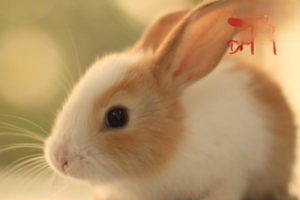
How to Bring a Non-Cycling Doe Rabbit Back Into Heat
A doe that won't cycle has physiological, pathological, or management causes. Congenital genital defects mean culling; nutritional extremes need feed correction; ovarian cysts take progesterone (5–7 days), persistent corpora lutea take cloprostenol, and infections get postpartum antibiotics. To prompt heat, improve ventilation and buck contact, group and stimulate with a buck, use cloprostenol with pregnant-mare serum, or short-term flushing — and remember heat stress is a common trigger.

Common Causes and Treatment of Ringworm in Cats, Dogs, and Rabbits
Ringworm (dermatophytosis) is a highly contagious, zoonotic fungal infection that strikes animals with weak skin immunity — especially youngsters and those in damp, dirty surroundings — and can pass to humans. Treatment means isolating the pet, clipping and disinfecting lesions, antifungal sprays or ointments (plus oral antifungals and B-vitamins for severe cases, with liver support), and thorough environmental cleaning; rabbits need ivermectin-based mite control to prevent it. Keep the home dry and ventilated, bathe sparingly with pet shampoo, and use a little sunlight to stop outbreaks before they start.

How to Help Prevent Coccidiosis in Rabbits
Coccidia are among the most common internal parasites in rabbits and can cause serious harm, but the disease is highly preventable. The core measures are separating young rabbits from adult carriers, keeping the hutch clean and dry, following a regular deworming schedule, and supporting gut health with proper nutrition.

Dietary Don’ts for Beveren Rabbits
Beverens are herbivores that thrive on hay and pelleted feed — never human food. The key mistakes are abrupt feed changes, irregular roughage (which can cause cecal impaction), and a single unbalanced feed; aim for timed meals and a measured nutrient mix.
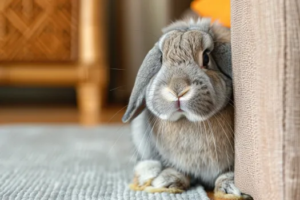
How to Improve a Rabbit’s Feed Conversion Rate
A better feed conversion rate lowers the cost of raising rabbits. Balance energy against other nutrients (intake falls as energy rises), apply digestible-amino-acid balancing, keep vitamins and trace elements in equilibrium to avoid deficiency disease, and use sound processing—right particle size, good pelleting, even mixing, and proper storage.

Causes of Rabbit Pica
Rabbit pica — the compulsive eating of non-food items such as fur, bedding, or newborn kits — usually arises from a mix of behavioral, environmental, nutritional, and health factors. Cage confinement, stress, poor husbandry, low fiber or mineral gaps, and skin parasites are the most common triggers. The fix starts with finding the root cause: a calm, clean enclosure, plenty of hay, added minerals, and prompt parasite treatment.
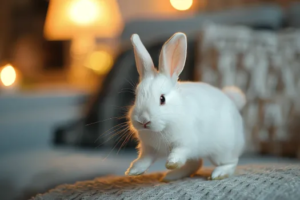
What to Do When a Rabbit Has a Poor Appetite
Rabbits normally eat well, so a drop in intake usually means something's wrong. Causes include a sudden feed change or low mood, and—more seriously—gut bloat, which shows as a swollen, painful, drum-tight belly. Mild cases respond to vegetable oil, garlic-vinegar, or radish juice; severe bloat needs a vet to draw off the gas.