Search Results
152 results for “rabbit cool”

Know Rabbit Disease Patterns to Prevent Them Well
Some rabbit diseases follow patterns; knowing them helps prevention greatly. Some are untreatable or hard to treat and kill before you can act, so prevention must come first. Here is how.

What Are the Symptoms of Heatstroke in Rabbits?
Rabbits can suffer heatstroke in high temperatures, and without prompt treatment it can be fatal. Here are the symptoms and emergency measures every rabbit owner should know, so you can act early.
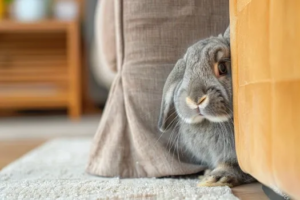
Preventing and Treating Rabbit Enteritis in Autumn
Enteritis is a key autumn risk for rabbits—warm, humid early autumn fuels pathogens and moldy feed. This guide breaks down parasitic, bacterial, toxic, and stress-related enteritis and how to prevent each.

Home Remedies for Common Rabbit Diseases
Some keepers treat sick rabbits with traditional remedies that, for certain conditions, work surprisingly well. This guide shares folk recipes for rabbit pneumonia, stomatitis, dysentery, diarrhea, and coccidiosis prevention.

A Rabbit’s Natural Instincts
Rabbits are naturally calm, alert, prone to startle, and need to chew—understanding these instincts makes care easier. Use a bottle, offer chew sticks, give clean cooled-boiled water, and skip frequent baths.
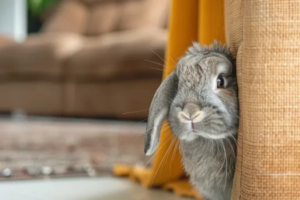
Essential Tips for Raising a Rabbit
Raising a rabbit is easy, but raising one well takes commitment. The essentials: always provide clean (never tap) water, make hay the staple with age-appropriate pellets and veggies as supplements, allow daily exercise and litter training, keep the habitat clean, rabbit-proof hazards, and skip frequent baths. A balanced diet and clean home are the foundation of rabbit health.
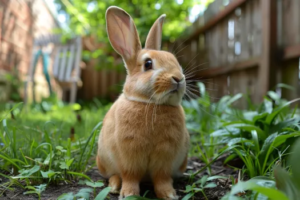
What Do Pet Rabbits Eat, and What Equipment Do You Need?
Rabbits eat mainly rabbit pellets, alfalfa, and timothy hay, and must always have water. You'll need a cage, ball-tip bottle, food bowl, hay rack, and litter box, plus pads, deodorizer, and chew toys. This article gives a simple guide to rabbit care.

Key Techniques for Raising Rabbits
Whether for meat, wool, or as a pet, rabbits need scientific care: a fiber-rich diet in small frequent meals, clean non-tap drinking water, a steady 20°C environment, and strict hygiene with 12–15 hours of light. Master these to keep rabbits healthy.

Breeding Rabbits: Reproductive Period and Best Use Years
Quality breeding stock lifts litter rates and kit health. Rabbits breed 4–5 years but peak at 1–2; manage housing (raised, dry, clean), season care, and disease prevention (vaccines, coccidiosis meds, regular disinfection) to get the most from them.
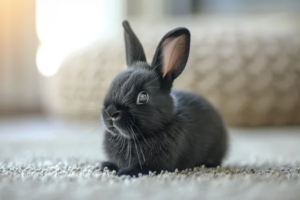
Why Your Rabbit Lost Its Appetite and How to Fix It
A rabbit's poor appetite can come from pickiness, mouth problems, heat, estrus, or digestion. This guide walks through each cause and the matching fix, from diet changes to cooling and probiotics.