Search Results
380 results for “quiet dogs”

What Causes Parvovirus in Dogs
Parvovirus is a severe, highly contagious gut disease in dogs that spreads by contact with infected feces, blood, food, or air, especially in parks and kennels. Puppies show vomiting and diarrhea that can turn bloody, so fast vet care and rehydration are key.

French Bulldog Temperament: Is a Frenchie Easy to Keep?
The French Bulldog's cute, comical look has won many fans, but before getting one, people often know little about it. A Frenchie is greedy, lazy, and prone to body odor, and is not among the easier dogs to keep. Here is why.

Can You Give Your Dog Human Cold Medicine?
Never give pets human cold medicine. Acetaminophen, the common ingredient, is benign to us but toxic to cats and dogs — 10 mg/kg can kill a cat. Sedatives, birth control, and ibuprofen are also dangerous; always see a vet and use pet-formulated drugs at the right dose.
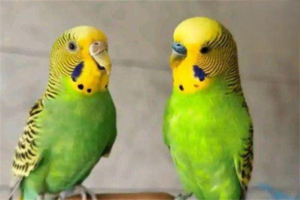
Can Parrots Get Stressed? (and How to Prevent It)
Yes — parrots feel stress, and chronic stress weakens their immune system, dulls their appetite, and can even lead to self-harm or attacks on cage-mates. Stress rises with poor care, unmet needs, fear, over-handling, or predators like cats and rats. Ease it with a safe, quiet, well-protected space, steady food and water, hideouts, and room to move.

What to Do If Your Dog Gets Tetanus
Dogs resist tetanus better than many animals, but a bad case still kills by suffocation. After a 5–21 day incubation the dog shows stiff ears, a fixed stare, drooling, and spasms, and may die within days; recovery is slow and many never fully regain muscle control. Treatment means quiet, dark nursing, cleaning the wound with antiseptic, and controlling spasms under a vet's care.

Welcoming a New Dog Home: What to Know
A new dog needs calm, not scolding — place its bed where it can see you, offer food and water, and let it adjust on its own. Keep the old diet, skip the bath until it settles, and watch for sneezing, vomiting, or low appetite that warrants a vet visit.

How to Make Your Indoor Cat Happier
Indoor cats need enrichment to stay happy: clean litter boxes, quality food, toys, scratching posts, perches, and daily play. A stimulating home keeps a curious cat healthy and content.

Is a Barking Dog Just Being Affectionate?
A dog's bark is communication, not spoiling — it barks from excitement, fear, warnings, or discomfort, and constant barking usually points to a lack of training. Cure it with consistent boundary work and quiet-reward training rather than rewarding the noise, or the habit only grows.

What Does It Mean When a Chinchilla Purrs or Chirps?
Chinchillas are naturally quiet, so a sudden purring or chirping usually points to something specific — boredom, fear, mating season, illness or injury, anger, or even a bad dream. Listen and watch to work out the cause, and check for signs of pain or sickness if the sound is new.

How to Train a Husky
Huskies are lively, loyal, and eager to please, and with training their mood swings give way to a calmer temperament. Teach them not to grab food off the street (using calm waits and a nose tap) and not to bark without reason (meet the need, then correct with a firm quiet command and reward silence).