Search Results
380 results for “quiet dogs”

How to Train a Teddy (Poodle)
Teddies are smart and learn many commands with patient training. Core lessons: potty training with scented newspaper and praise, “sit” before meals, anti-barking, correcting bite habits, no begging at the table, and standing on hind legs for treats.

Boston Terrier Temperament and Traits
The Boston Terrier is a small, smart, short-headed, tuxedo-marked American dog — gentle, patient, and great with kids and other pets. Called the ‘American Gentleman,’ it’s calm, quiet, eager to please, and easy to train, happy in an apartment or on a farm.

Shiba Inu vs. Akita: Key Differences
The Shiba looks like a smaller Akita; they differ in coat, size, color, head, muzzle, and tail. The Akita is a large, calm, loyal guardian (standard ~66 cm), while the Shiba is a small (~39.5 cm), independent, bold companion with a curled tail.

Why Does My Dog Whine for No Reason?
Dogs whine to seek attention, show excitement, or vent frustration — the root cause is usually 'notice me.' Rule out pain with a checkup, then meet the need without rewarding the whine, and tire the dog out with daily exercise.

How to Keep Pets Warm (Without the Common Mistakes)
Dogs stay comfortable roughly between 0–25°C and self-regulate, so over-bundling can backfire. Skip space-heater overuse, only clothe frail, young, old, or post-birth pets, and keep short, sensible outings instead of locking them indoors.

How Cats Show Affection: Common Loving Behaviors
Cats express affection through a surprising range of body language — purring, slow blinks, head rubbing, and kneading are all signs of trust and contentment. Rolling onto their back or trailing after you from room to room means they feel safe and have claimed you as their own.

Do Cats Really Love Their Owners?
Cats bond with their owners every bit as deeply as dogs do; they simply express it more quietly. Head-rubs, sleeping on you, purring, belly-up play, long eye contact, and bringing "gifts" are all signs of trust, and a cat only shows its true feelings once it fully relies on you.

Factors That Affect How Well You Train a Dog
A dog's training outcome depends as much on the handler's approach as on the animal itself. Patience without harshness, a single consistent trainer, a gradually busier environment, and methods matched to the dog's temperament all decide how fast and how well the lessons stick.

Can Cat FIP Spread to Humans?
Feline infectious peritonitis (FIP) does not spread to people or, by current evidence, between cats—it is not considered a contagious disease. It arises when a cat's coronavirus mutates, driven by genetics, stress, and environment; prevention focuses on reducing stress and supporting immunity.
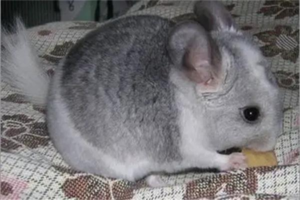
Why Chinchillas Urinate in the Wrong Place and What to Do
Chinchillas are clean and usually use one spot, so random urination points to marking, estrus, anxiety, food dislike, or a learned habit. The fix depends on the cause — more attention, separating sexes in heat, vinegar to erase scent marks, or adjusting the diet.