Search Results
51 results for “queen care”
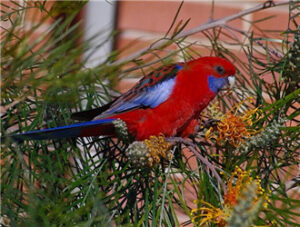
Crimson Rosella
The Crimson Rosella is a vividly colored parrot found in Australia and on Norfolk Island, usually seen in pairs or flocks. Young birds take about 15 months to gain adult plumage; it is a popular, hardy pet bird that dislikes damp conditions.

Australian King Parrot
The Australian King Parrot (Alisterus scapularis) is the largest Australian long-tailed parrot and the largest of the king parrots, with 2 subspecies. Friendly and brightly colored, it is less talkative and rarely hand-raised, but is prone to parasite infection and needs regular deworming.

Red-winged Parrot
The Red-winged Parrot (Aprosmictus erythropterus), as its name suggests, has red wings that contrast sharply with the rest of its body. Aside from Queensland, it is a legally protected parrot in Australia and a common species locally, with a worldwide population exceeding 100,000.
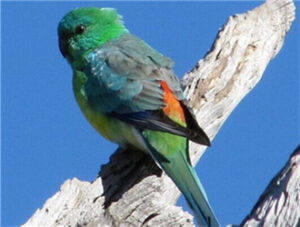
Red-rumped Parrot
The Red-rumped Parrot (Psephotus haematonotus) looks from a distance like a miniature peacock from behind, with beautifully blended multicolored plumage. This parrot is mainly distributed in southeastern Australia.

Scaly-breasted Lorikeet
The Scaly-breasted Lorikeet (Trichoglossus chlorolepidotus) is a beautiful parrot native to Australia. Playful and quite friendly, it is loved by many bird enthusiasts. Although not yet very common in captivity, in the wild it is a widespread lorikeet with a global population exceeding 100,000, and is one of the cheapest lorikeets in Australia and New Zealand.

Can Kittens Recognize Their Mother?
Kittens do recognize their mother, mainly through smell, sound, and her looks and care. Raised by her side, they remember her scent for life; only long separation makes the scent fade, after which they may find it familiar but not know her. Sight, vocal cues, and grooming all reinforce the bond.
How long is a cat pregnant before giving birth?
A queen usually gives birth about 63-68 days after mating; feline gestation is 63-68 days. During pregnancy give moderate nutrition but don't overfeed — an overweight pregnant cat risks difficult labor. Cats are naturally timid, so avoid scares and don't change food or environment, to prevent stress harming mother and kittens.
Why would a mother cat eat her kittens?
A queen may eat kittens due to her own malnutrition, weak maternal instinct, panic from outside stress, or detecting unfamiliar smells on them. Provide good nutrition, a calm environment, and avoid handling newborns with foreign scents.
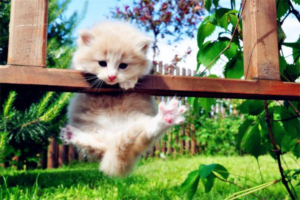
Why a Mother Cat May Kill Her Kittens
A queen may kill a newborn because of low milk, post-partum distress, a weak kitten, strange smells on the kitten, stress, or poor nutrition. Keep the nest calm, feed her well, and isolate any rejected kitten to hand-rear with formula.

What to Do When Your Cat’s Temperature Drops to 37°C
A normal cat temperature sits between 38.5°C and 39.5°C, so a reading of 37°C is below the healthy range and worth taking seriously. The right response depends entirely on the cause. Sometimes it signals a weak or sick cat that needs warmth and a vet; other times it is a normal, expected dip just before labor. Here is how to tell the difference.