Search Results
7 results for “qi deficiency”
How to help a Langqing dog’s ears stand up?
Langqing dogs usually start erecting ears at about 3 months; if they do not, calcium deficiency is likely - feed calcium-rich foods (shrimp shells, goat milk, soy products, calcium tablets) and get sunlight daily. Once calcium is sufficient ears stand. If still down, use breath-right strips and breathable tape, not too tight.

Postpartum Urinary Dribbling in Cats
Postpartum urinary dribbling or incontinence in cats comes from depleted qi and blood after birth, leaving the central qi too weak to hold urine. It presents in three patterns — qi deficiency, kidney deficiency, and birth trauma — and typically responds to a single dose of a qi-lifting herbal decoction.

Cat Diarrhea: Symptoms and Herbal Treatment
Chronic diarrhea can strike any cat, bringing lethargy, weight loss, abdominal pain, and a rough coat. In traditional diagnosis it splits into damp-heat from spleen weakness (foul, loose stool, red-yellow tongue) and pure spleen-deficiency diarrhea (odorless, pale tongue). Both are built on the Bu Zhong Yi Qi decoction, with dampness-clearing or fluid-draining herbs added, plus a salty rice-water support drink.

Treating Dog Vomiting with Traditional Chinese Medicine
Vomiting in dogs comes from a stomach that can't settle and rebels upward — driven by cold-damp invasion, spoiled food, or weak digestion — and TCM sorts it into heat, food-stagnation, and deficiency-cold types, each with its own pattern and formula (Baihu Tang, Baohe Wan, Lizhong Wan). Match the pattern to the remedy rather than treating every vomit the same way.

Canis lupus familiaris
The Tibetan Mastiff, also called the Tibetan Mastiff or 'Oriental God', is a giant mountain dog from the Qinghai-Tibet Plateau, recognized as the world's oldest and rarest breed and the only dog unafraid of wild beasts. Fierce yet loyal, it is used as a livestock, guard and military dog.

What to Do When Your Rabbit’s Mouth Is Sore or Cracked
A rabbit with a sore or cracked mouth needs prompt checking and treatment, or the problem can worsen. Common causes are a vitamin-deficient diet, poor oral hygiene, and dehydration; treatment means switching to vitamin-rich greens and hay, cleaning the mouth, encouraging water, and providing chew toys to keep teeth worn.
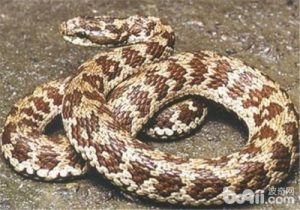
Montane Pit Viper
The montane pit viper (Gloydius monticola) is a small venomous snake of the high mountains of western China, recorded up to 4,320 m. Ovoviviparous and feeding on rodents, lizards and frogs, it is not known in captivity.