Search Results
68 results for “purring”

Why Cats Purr: A Physiological Explanation
Owners wonder how cats purr—human snoring is from fatigue, posture or illness, but cats differ. Today we explain from physiology whether it hints at disease.

Understanding Why Cats Purr
Many owners know cats purr but not when or why. Some say purring means happiness, but cats also purr in pain and fear. Today we analyze the reasons.

Are Cats Born Knowing How to Purr?
Yes! Purring is innate—kittens learn days after birth. The purr is mother-kitten communication and a bridge for bonding, and as they grow they purr to express state to humans. Today we learn when and what it means.

Three Common Reasons Cats Purr
Owners know cats purr when happy, but that's only one case—they also purr when afraid, hurt or sick. Purring usually means one of: happiness, self-treatment, or respiratory disease. How to tell? Follow along.

Five Ways Cats Show Their Love
Cats are changeable - aloof then clingy - puzzling owners, but they have their own ways to show affection. This article covers them.

Why Does a Rabbit Keep Vocalizing?
Rabbits are quiet but they do 'talk' — grunts, hisses, screams, and more each mean something. This guide decodes the common rabbit sounds so owners can read distress, pain, or contentment.
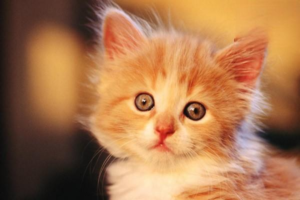
What Does a Cat’s Purr Mean?
A cat's purr is a breathing sound tied to emotion and usually nothing to worry about. This article explains the different meanings behind a cat's purring.

Can Cats Sense Their Owner’s Emotions?
Cats can read our emotions through facial expressions and body language, drawing closer when we are happy and keeping distance when we are angry. They also comfort us with presence, soft paws, and purring. Most cats learn to read us over time, offering quiet companionship.
How can you tell a cat likes you?
A cat shows affection by approaching you, relaxing and purring when petted, rubbing its scent on you, and wanting to sleep near you. These are quiet but clear signs.
What happens if you pet a cat’s chin?
Most cats like chin rubs because nerve endings there relax them; they may squint and purr or show the belly. If petting too long they may feel uncomfortable and hiss or scratch, so stop.