Search Results
68 results for “purring”
Why does a cat make a purring sound when being petted?
When a cat purrs while being petted, it usually means the cat feels comfortable and is enjoying the attention. This is a normal physiological response and a way for cats to express contentment.
Why does my cat keep purring from its throat?
Constant purring can mean contentment and relaxation, light sleep (good for bones/muscles), or stress and pain such as after an injury. If purring occurs in all situations, see a vet to rule out infection.
Does a Cat’s Purring Always Mean It’s Happy?
Most purring does mean a relaxed, content cat, produced by vocal-cord vibration at 20–140 Hz. But cats also purr to self-soothe when stressed, anxious, or in pain (arthritis, illness, labor), and a fast, tense purr with flattened ears signals distress. If purring comes with appetite loss, odd litter-box habits, or lethargy, see a vet.
Why do cats make a purring sound?
Purring usually means a cat is content, such as while eating or being petted, showing it feels safe and relaxed. But cats may also purr when in distress, like when injured or giving birth. If purring comes with poor spirits, appetite loss or pain, see a vet.

What Does It Mean When a Chinchilla Purrs or Chirps?
Chinchillas are naturally quiet, so a sudden purring or chirping usually points to something specific — boredom, fear, mating season, illness or injury, anger, or even a bad dream. Listen and watch to work out the cause, and check for signs of pain or sickness if the sound is new.

Decoding Cat Behavior
A cat's 'disgusted' face is the Flehmen response sniffing pheromones; purring eases pain and heals bone; a love-bite means 'stop'; cats know their name but often ignore it; and knocking things over is attention-seeking or hunting practice. Reading these cuts the confusion.

How Cats Show Affection: Common Loving Behaviors
Cats express affection through a surprising range of body language — purring, slow blinks, head rubbing, and kneading are all signs of trust and contentment. Rolling onto their back or trailing after you from room to room means they feel safe and have claimed you as their own.
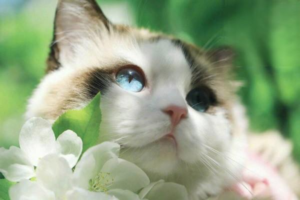
Six Signs Your Cat Has Bonded With You
A cat that kneads you, slow-blinks, shows its belly, sleeps beside you, purrs, or head-butts you is displaying clear signs of trust and affection. These behaviors, rooted in kittenhood and scent-marking, show your cat sees you as family rather than just a source of food.

Do Cats Really Love Their Owners?
Cats bond with their owners every bit as deeply as dogs do; they simply express it more quietly. Head-rubs, sleeping on you, purring, belly-up play, long eye contact, and bringing "gifts" are all signs of trust, and a cat only shows its true feelings once it fully relies on you.

Confusing Cat Behaviors and Body Language
A cat's tail, ears, and posture send a mix of signals that are easy to misread: a slow, broad tail wave with purring means contentment, while a hard, fast wag with flattened ears means a fight is coming. Learning cues from the belly-up trust display to the crouched launch pose helps you read what the cat really wants.