Search Results
28 results for “purebred”
How Much Does a Pug Cost?
The pug—famous for its wrinkled, comical face—is a common, affectionate pet whose price is more modest than its fame suggests. Most pugs cost about 300–500 yuan, while a healthy, well-bred dog with good conformation may run 1,000 yuan or more; show or top-bloodline dogs cost considerably higher. Prices vary by bloodline, looks, and health. When buying, choose a reputable seller, verify the dog's health and paperwork, and be wary of unusually cheap puppies, which may be sick 'bargain' pups that fall ill soon after arriving home.
How Much Does a Bichon Frise Cost?
The Bichon Frise is a small, charming companion dog loved by many families, especially those with children. Its price ranges from a few hundred to several thousand yuan, driven by region, overall quality, and whether you buy from an individual or a kennel. As a rough guide: non-purebred around 200–700, pet-quality 800–1,000, purebred 1,000–1,500, and show-quality 2,000–50,000. Puppies from home breeders typically run 800–3,000, while kennel and show lines cost more. A higher price does not always mean a better dog—prioritize health and temperament.
How strong is a German Shepherd mix’s immunity?
A German Shepherd mix generally has fairly strong immunity: purebred Shepherds are already robust, and mixed-breed dogs often have tougher constitutions and are easier to raise. Puppies are still weak, so keep them warm and vaccinate after 2 months; once vaccinated, antibody levels rise and resistance to diseases like distemper and parvovirus improves markedly.
What is a German Shepherd mix’s personality like?
A German Shepherd mix tends to be more independent and individualistic. While purebred Shepherds are confident, cheerful, and obedient, most mixes are livelier and less compliant — though they are intelligent, and with proper early training can become as brave and obedient as a purebred. Shepherds can be aggressive, so keep them leashed outdoors.
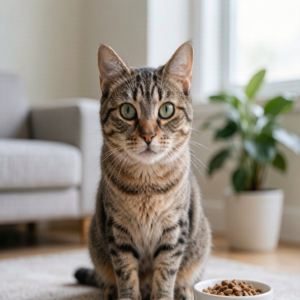
What to Feed Your Cat for a Healthy Heart
A cat's heart health rests heavily on diet. Taurine, omega-3s, L-carnitine, and vitamins E and C are the nutrients that protect the myocardium and slow decline—found in organ meat, lean poultry, salmon, and vegetables like broccoli and spinach. Just as important is what to avoid: salty, fatty, and high-cholesterol foods that strain the heart. Senior and high-risk purebred cats need regular checkups at the first sign of breathlessness.
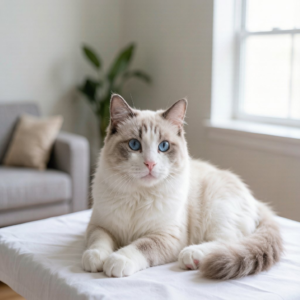
Common Genetic Diseases in Ragdoll Cats
Ragdolls are prone to two inherited diseases: hypertrophic cardiomyopathy, where the heart wall thickens and can cause sudden cardiac death, and polycystic kidney disease, where fluid cysts enlarge the kidneys. HCM peaks at four to eight years and affects about 6 percent of the breed; PKD strikes at three to ten and is avoided if both parents test clear. Neither can be cured, only managed with care, kidney-support diets and vet-guided mineral supplements, so DNA testing and routine prevention matter.
Why Did My Rabbit’s Ears Suddenly Flop?
A rabbit suddenly developing 'airplane ears' can come from mixed breeding, disease, or injury. If the ears just flop with no discharge, odor, or trauma, it is likely genetics, since a non-pure upright bloodline droops over time; this is harmless. But if flopping comes with more ear wax, a foul smell, or head shaking, ear mites are likely; isolate the rabbit, disinfect the space, and treat. Rough handling that pulls the ears can also cause it, so learn to hold a rabbit correctly to avoid injury.
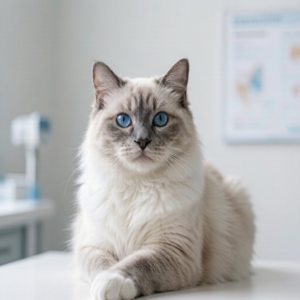
Are Double-Bloodline Ragdoll Cats Special?
A double-bloodline Ragdoll has two purebred Ragdoll parents, which usually means better conformation but costs more, and is not a guarantee of good looks. Some double-bloodline cats inherit poor traits from their parents and look worse than others. Single-bloodline cats, with only one purebred parent, are even more unpredictable. Because bloodline does not determine appearance, choose a Ragdoll by its looks rather than its papers. Good examples come in three color patterns: bicolor, point, and mitted.

Dutch Rabbit
The Dutch Rabbit is a small, distinctly marked pet rabbit with a white inverted-V on the face and a sharp color split between front and back. Gentle, smart, and nearly odorless, it needs timothy hay, a chew stick, steady 25–32°C, and a wire-free, dry cage. Lifespan about 5–7 years.

Mammary Tumors in Dogs and Cats
Mammary tumors are common in intact female dogs and are the third most common feline tumor. They often appear as firm nodules in the mammary chain and can ulcerate or spread to lymph nodes and lungs. Early spaying sharply lowers risk, and surgery is the main treatment.
- « Previous
- 1
- 2
- 3
- Next »