Search Results
28 results for “purebred”
What to Check When Buying a Purebred Poodle Puppy
Purebred and mixed poodles can look very similar as puppies, so choosing a healthy, well-bred young dog takes a careful eye. Beyond coat and conformation, the real signals of a good puppy are its skin, eyes, body, family history, and vaccination record. Here is a practical checklist before you bring one home.
How can I tell if a Rottweiler puppy is purebred?
Check the pedigree certificate first — purebred parents and grandparents mean a purebred puppy. By appearance, look for a brown-red short coat, strong muscles, thick limbs, and wide-set triangular ears that hang naturally.
Scottish Fold Cats: Pros and Cons to Consider
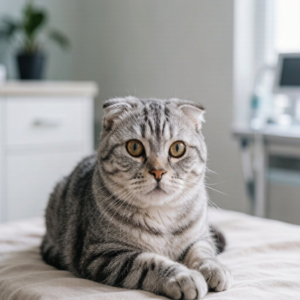
Scottish Fold cats win fans with their round eyes, plush cheeks, and famously folded ears, but like every breed they come with both strengths and weaknesses. On the plus side they are loyal, gentle, easy to get along with, quiet-voiced, and quick to learn. The trade-offs are real, though: they are costly, carry a high risk of inherited conditions such as abnormal cartilage growth and narrow airways, have naturally weaker immune systems, and are prone to delicate digestion. Before bringing one home, take an honest look at whether you can meet the extra time, expense, and lifelong commitment their care demands.
The Secret Behind Cats With Two Different Eye Colors
Odd-eyed cats - sometimes called "strange eyes" - have two differently colored irises and usually turn up in white cats; among purebreds, matching eye color is the norm, so odd eyes are typically from mixing. The condition, heterochromia iridis, is not a disease. Japan once called gold-and-blue eyed cats a symbol of luck, and Thailand's native Siamese region named the look "diamond eyes." The cause is the dominant white (W) gene, which suppresses pigment cells; without them the iris looks blue, and the same missing cells also fail to form the ear's sound sensors, which is why many white blue-eyed cats have hearing loss. About 60-80 percent of white blue-eyed cats have some deafness, and a blue-eyed side in an odd-eyed cat carries a 30-40 percent chance of deafness on that ear.
Why You Might Consider Genetic Testing for Your Dog
People use genetic testing to screen for inherited disease and confirm family ties; dogs can benefit too. A breed dog's DNA test can flag the risk of more than 130 inherited conditions, confirm whether a pricey puppy is truly purebred, serve as proof of identity if it is lost or stolen, and even predict behavior traits. It is a practical tool for smarter, more personal care.
The Unusual Nature of Feline Stomatitis
Feline stomatitis is more puzzling than a simple mouth infection. A survey of eighty-three clinics found it peaks in adult cats, especially ages one to three, and in purebreds and short-haired domestics. The cause is unclear but points to infection or immunity, likely feline calicivirus. Most cases improve after extraction, yet a real need remains for safer, more complete treatments that ease pain, inflammation, and healing at once.
Why Does a Siamese Cat’s Fur Turn Black?
A Siamese cat's coat darkens for a reason that has nothing to do with sunlight: it is driven by temperature. These cats carry a variant of the TYR gene that limits production of the enzyme tyrosinase, which only works properly in cooler areas of the body. As the weather turns cold, the points, face, and ears grow darker, sometimes leaving a near-black 'mask.' The change is largely genetic and cannot be reversed, but keeping the cat warm and limiting iron-rich foods such as liver can slow the process. This article explains the science and what owners can realistically do.
How to Tell If Your Cat or Dog Has Glaucoma
Glaucoma is a common eye disease in cats and dogs where blocked fluid drainage raises eye pressure, damages the optic nerve, and can end in blindness. It always comes with high eye pressure. Signs include a cloudy or enlarged eye, a fixed dilated pupil, vision loss, redness, and head pressing. Diagnosis uses eye-pressure and fundus exams, and treatment ranges from pressure-lowering drugs to, in severe pain, removal of the eye.
Cat Health Checkup Guide (Part 1)
For most cat owners, regular checkups are essential yet confusing: how do you get a cat to the clinic, and which tests actually matter? This first part covers preparation before the visit and the exams most relevant to each life stage and breed, helping you make sense of a stressful process.
Why Neutered Cats Still Show Signs of Heat
A neutered male may still act horny for a few weeks while hormones clear. Rarely (1–3%, more in purebreds) a retained testicle (cryptorchid) is the cause—check for penile spines, which signal remaining testosterone. Late neutering can leave old habits plus triggers like a female in heat. Neutered females may show heat from post-op hormone clearance, incomplete ovary removal (tissue left behind), or outside hormones (a steroid cream, adrenal disease). Never neuter during heat; if signs appear after, review and consult a vet or online vet to tell true heat from stress-mounted behavior.