Search Results
248 results for “puppy skin”

Dog Ear Odor: Could It Be Ear Inflammation?
A dog's L-shaped ear canal makes infection easy, and odor often signals otitis. Inflammation ranges from outer (otitis externa) to middle and inner ear; left untreated, outer infection can progress to the middle ear and even cause hearing loss, loss of balance, or meningitis. Prevention is straightforward: keep ears dry after baths, pluck ear hair in floppy long-haired breeds, and clean weekly with a pet ear solution, never alcohol or peroxide. Regular parasite control also helps, since mites trigger ear infections.

Are Small Dogs Easier to Feed?
Many owners assume small dogs are easier to feed because they eat less, but small breeds actually need more nutrients per bite and are fussier. They grow up faster, have quicker metabolisms, and burn through energy, so they need dense, highly digestible food given in small, frequent meals. Their tiny stomachs and narrow guts can't hold much at once, and low fat and sugar reserves put them at risk of hypoglycemia. Choose quality meat protein, enough fatty acids, and antioxidants, plus some grains to steady blood sugar.
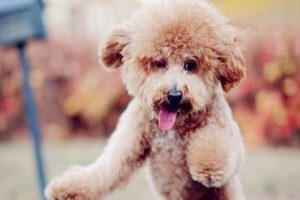
Pituitary Insufficiency (Pituitary Dwarfism) in Dogs and Cats
Pituitary insufficiency is an inherited failure of one or more pituitary hormones that slows growth and causes symmetric hair loss and delayed bone maturation, most often in German Shepherd puppies. Lifelong hormone replacement is the mainstay of treatment.
Lymphangitis and Lymphadenitis in Dogs and Cats: Symptoms, Treatment, and Prevention
Lymphangitis and lymphadenitis are inflammations of the lymph vessels and nodes, usually from infection, immune disorders, or tumors. Signs vary by location but center on swelling, pain, and systemic inflammation, and treatment targets the underlying disease.

Omphalitis (Umbilical Infection) in Dogs and Cats
Omphalitis is a bacterial infection of the umbilical stump in newborn puppies and kittens, causing inflammation, discharge, and sometimes tissue death. Left untreated it can spread through the body and become life-threatening. Good hygiene at birth and prompt veterinary care prevent serious complications.
Which dog breeds have wrinkled foreheads?
Dog breeds with wrinkled foreheads commonly include the Shar-Pei, Pug, French Bulldog, and English Bulldog. The Pug's most distinctive feature is its heavily wrinkled face, with a short muzzle and large eyes; puppies look especially cute, while adults often appear perpetually worried. The Shar-Pei has a unique build with a hippopotamus-like head and triangular eyes, and is covered in wrinkles as a puppy.

How to Prevent Parasites in Dogs
A parasite is an organism that lives in another organism, called the host. The dog is a host for parasites. Often, the parasite needs the dog's body to survive and can harm the dog.
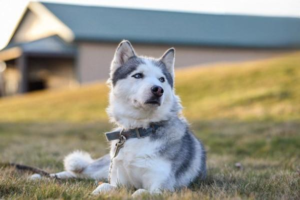
Tips for Caring for an Older Dog
Age is not a disease, but senior dogs need help: add rugs for traction on slick floors, raise food bowls to shoulder height, keep them cool in summer, use car ramps and indoor steps, give an orthopedic bed, and keep both body and mind active with short outings and new games.

What Is Canine Distemper?
Canine distemper is a deadly, highly contagious viral disease — and 'fully vaccinated' isn't the same as 'actually immune.' Knowing the signs and the three prevention pillars is what protects your dog.

What to Do When Your Pug Is Shedding
A Pug should not shed much normally, so sudden hair loss usually means a skin problem, poor nutrition, a coat change, the season, or too much salt. Walk through these causes to tell them apart, and ask a vet online if anything is unclear.