Search Results
204 results for “puppy parasites”
My puppy is under three months old, recently stopped eating, got thin and listless, and I found parasites in its bed. Does it need deworming, and how do I get it to take the medicine?
Worms in the stool mean a serious internal parasite infection needing prompt deworming. Use oral meds with milbemycin, praziquantel, or fenbendazole; puppies need monthly deworming. Choose a palatable product to make dosing easier.
What happens when a puppy gets parasites?
Internal parasites steal nutrition, causing poor growth, weight loss, anemia, and gut inflammation with diarrhea or pain; some migrating to nerves cause seizures or paralysis. External parasites cause skin disease like itching and hair loss.
How can I tell if a puppy has internal parasites?
Check the puppy's energy and appetite, its stool for blood or worms, and its weight and body condition. If parasites are suspected, a vet blood and fecal exam plus regular deworming is best.

Why Does a Nursing Puppy Have Diarrhea?
Because nursing puppies have weak stomachs, even with the owner's careful care, a little negligence can cause diarrhea. There are many causes of puppy diarrhea; the cause must be found before treatment-do not use medicine casually and worsen the puppy's condition.

Can a One-Month-Old Puppy Die From Diarrhea?
Severe diarrhea in a puppy can easily lead to death. For example, severe gastroenteritis symptoms such as diarrhea and vomiting caused by parvovirus infection, if not treated promptly, cause severe dehydration from diarrhea and vomiting, leading to circulatory failure; meanwhile, anemia from parvovirus or secondary severe pneumonia raises the mortality rate considerably.
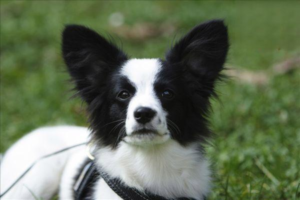
Why a Puppy Has Bloody Diarrhea and How to Treat It
Dogs add a lot of joy to our lives, and many people become healthier with a dog's company. Puppies are as important to most dog owners as family, and when they get sick the owner suffers most. Recently an owner asked why a puppy has bloody diarrhea; we have compiled the relevant information to share.

What Kinds of Parasites Do Dogs Get?
For dogs, parasites split into internal and external. With low immunity many parasites are easy to catch; below is a summary of common dog parasites for clearer distinction.

New Puppy Home: A Complete Pitfall-Avoidance Guide
Let's talk about behaviors a puppy should avoid in a new environment.

Can a Puppy’s Diarrhea from a Food Change Heal on Its Own?
Puppy diarrhea from switching food can partly resolve on its own, but don't ignore it. Transition gradually by mixing old and new food, increasing the new ratio so the gut adapts. Watch the puppy's energy, appetite, and stools. Severe diarrhea may need pausing the switch and a vet's advice. Diarrhea can dehydrate, so ensure water and consider probiotics.

Is Yellow, Mushy Stool Normal in a Puppy?
Yellow, mushy stool in a puppy is abnormal, usually from poor digestion, internal parasites, or bad food. Fasting (with probiotics), deworming, or a diet fix treats the cause.