Search Results
154 results for “probiotics”
Dog Food Bloat: Symptoms and What to Do
Food bloat is a digestive backup where swallowed food cannot pass normally, causing vomiting, refusal to eat, and a swollen belly. It often follows fast or excessive eating, indigestible food, or swallowed objects. Mild cases may improve with pet probiotics, gentle abdominal massage, and rest. Severe bloat with pain or persistent vomiting needs urgent veterinary care, sometimes surgery. Preventing overeating and using slow-feeders is the best defense.

Yellow-blotched Sawback
The Yellow-blotched Sawback (Graptemys flavimaculata) is the most vividly marked map turtle, endemic to Mississippi's Pascagoula River. Strictly protected in the United States and rarely seen in trade, it has no successful captive breeding.
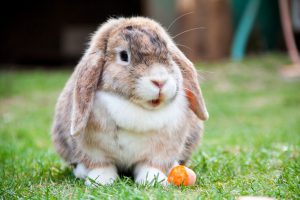
Lop Rabbit
The Lop Rabbit — one of today's most popular pet rabbits — is named for its ears that hang down. Gentle, small, and people-friendly, it is short-lived (usually 5–7 years) and heat-sensitive, needs daily grooming of its dense coat and drooping ears, and must never be picked up by the ears.

Texas Map Turtle
The Texas Map Turtle lives in the Colorado River basin of the Edwards Plateau in Texas and is a relatively common map turtle, though priced higher; it resembles the Mississippi Map Turtle and is sometimes hard to tell apart. It is the smallest-shelled of all map turtles, with no prominent keel.

Canine and Feline Urticaria (Hives): Symptoms, Treatment, and Prevention
Urticaria, or hives, is an acute allergic skin reaction in dogs and cats that produces sudden, well-defined wheals and itching, usually fading within a day or two. Identifying and removing the trigger is the key to treatment and prevention.

Pica in Dogs and Cats
Pica is the compulsive eating of non-food objects such as stones, plastic, grass or wall plaster. It often signals a nutritional gap, pancreatic disease or parasites, and swallowed items can obstruct or perforate the digestive tract.

Canine and Feline Food Allergy (Adverse Food Reaction)
Food allergy is an immune reaction to a dietary ingredient that produces itchy skin and digestive upset. It is controlled by identifying and removing the offending food through an elimination diet.

Esophageal Obstruction in Dogs and Cats: Symptoms, Treatment, and Prevention
Esophageal obstruction is a blockage of the food pipe in dogs and cats, often from a swallowed bone or other object, causing distress, drooling, and regurgitation. It is an emergency relieved by veterinary removal of the object.

Canine Coronavirus (CCoV): Symptoms, Treatment, and Prevention
Canine coronavirus is a highly contagious viral infection that causes acute gastroenteritis in dogs. It spreads through contact with contaminated saliva, feces, and food, and typically produces vomiting, diarrhea, and appetite loss. Most dogs recover within 7 to 10 days, but the infection is known to recur.
My dog suddenly has diarrhea — what should I do?
Sudden diarrhea can come from bad diet, a chilled abdomen, parasites, or a viral infection. If there are no other symptoms, fast the dog briefly and give pet probiotics; once improved, offer easily digested food and reintroduce the normal diet gradually. If it persists or other signs appear, see a vet.