Search Results
124 results for “probiotics”
Why Your Cat’s Diarrhea Persists Despite Probiotics
It is a common story: your cat has soft stool or diarrhea, you reach for a probiotic, and the problem does not go away. Probiotics can help the gut, but they are not a cure for every loose stool, and not every product on the shelf is what it claims to be. Understanding why they sometimes fail points you toward the real fix.

What Are Probiotics – Can Cats and Dogs Take Them?
Probiotics are a home staple for cats, easing diarrhea or soft stool. But picking a quality product puzzles many owners. This article explores the topic.
Can a Dog’s Chill-Induced Vomiting Heal on Its Own?
When temperatures drop, some dogs still nap on cold floors or drink icy water, irritating their stomachs and triggering vomiting. Whether this resolves on its own depends on the cause. Mild vomiting from a chill often settles within a short time, but persistent or worsening signs—diarrhea, fever, appetite loss—point to conditions like gastritis, infection, parasites, or pancreatitis that need a vet. This guide explains when to wait and how to care for your dog at home, including warmth, a bland diet, probiotics, and close monitoring—while stressing that human medication should never be given to dogs.
Is It Normal for Dogs to Eat Poop?
About 80% of dogs that eat feces are showing normal behavior, not a disease or a nutrient deficiency. It is tied to evolution, digestion, and instinct rather than bad hygiene. Mother dogs may eat puppies’ feces to hide scent from predators and keep the nest clean; puppies often copy adults or explore the smell of undigested food. But long-term coprophagia with a thin body, frequent soft stools, or low energy deserves attention. This article separates normal from concerning causes—hunger, poor absorption, anxiety, or attention-seeking—and gives vet-style fixes: prompt cleanup, better diet, probiotics, and more companionship.

Why Is My Dog Dry Heaving?
Dogs dry-heave for many reasons, from a foreign object or irritation in the throat to parasites, indigestion, too much exercise, or illnesses like kennel cough and distemper. If a stuck object or irritation is the cause, removing it usually stops the heaving at once. When dry heaving comes with other signs such as fever, coughing, lethargy, or loss of appetite, see a veterinarian promptly to find and treat the underlying cause. Regular deworming and vaccination are the best long-term protection.
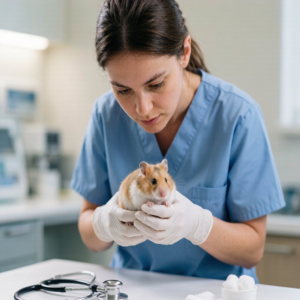
Common Diseases in Hamsters
Hamsters face several common diseases, including tumors, respiratory conditions, digestive problems, skin issues, and dental trouble. Some are easy to prevent, for example by offering chew tools so teeth stay the right length, which lowers the chance of dental disease. To protect your hamster, take preventive measures early, watch its behavior and symptoms closely, and visit a veterinary clinic promptly if anything seems wrong.
Why Are Cats Allergic to Grains?
Many cats are allergic to certain grains, and the reasons tie to genes and digestion. Grains are common fillers and cheap protein sources in low-cost cat food, packed with carbohydrates, but cats are carnivores whose digestive systems are poor at handling large amounts of carbs. Too many grains burden the gut and can trigger allergic reactions, and genetics also matter: each cat differs, with some rarely reacting and others reacting easily. Symptoms include vomiting, diarrhea, itch, and skin inflammation, so see a vet if you suspect a grain allergy. The fix is to remove grains from the diet by choosing high-quality meat-based food, such as chicken or beef recipes, and avoiding wheat or corn, while skipping poor-quality meats with many additives. Add gut-friendly probiotics and fiber, and if the trigger is unclear or your cat is prone to reactions, use a hypoallergenic diet built on easily digested proteins with no grains or additives. Food allergies cannot be cured, so careful lifelong diet management is the key to keeping reactions away.
What to Do When You Bring Home a Found Kitten
Finding a stray kitten is tempting to take home right away, but the right sequence protects both the kitten and your household. Because strays can carry parasites, panleukopenia, or ringworm—some transmissible to other pets and people—the first step is a veterinary check-up before the kitten enters your home; treat any illness in the clinic first if needed. At home, set up a quiet, enclosed room with a litter box, water, and food so the kitten feels safe, and avoid bathing it, which can trigger stress and illness. Ease the diet in with plain food and probiotics rather than rich treats. If you have resident cats, isolate the newcomer for 7–15 days, then slowly mix scents before supervised meetings. Finally, deworm and vaccinate (FVRCP and rabies) after a short settling period.

Why Is My Cat Gagging but Not Vomiting?
A cat that gags without producing vomit is most often dealing with hairballs, but frequent gagging can also mean dietary upset, gastrointestinal disease, throat irritation, or nervous factors. Owners can help by offering hairball paste or cat grass, giving warm water to dilute stomach acid, and keeping the environment clean and free of irritants. Because gagging may signal something more serious, watch for other signs such as diarrhea, appetite loss, or lethargy, and consult a veterinarian if it lasts or worsens.

Dog Gastroenteritis with Bloody Stool: A Recovery Case
A 5-year-old dog passed soft stool with a little blood at the end for nearly a week, yet kept a good appetite and energy—pointing to chronic enteritis or gut overload rather than a severe acute illness. With gut-protecting, antibiotic, and probiotic support plus a bland diet, the stool normalized within a day. The case shows how diet and the right care heal a fragile gut.