Search Results
141 results for “preventive care”
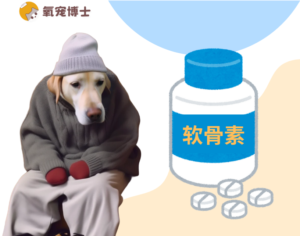
What Is Chondroitin for Dogs, and Who Needs It?
Chondroitin, or chondroitin sulfate, is a natural compound in cartilage that feeds joint cells, locks in joint fluid, and calms inflammation. Healthy young dogs get enough from food, but seniors, large breeds, dogs with joint-prone genetics, the obese, and hard-working dogs benefit from supplements—ideally paired with glucosamine and omega-3. It supports, not replaces, veterinary care for real joint pain.

Keeping Your Dog Free of Skin Problems in Summer
Summer's heat and humidity breed bacteria and parasites, so skin trouble spikes. Bathe and dry the coat with a pet shampoo, avoid strong midday sun to prevent burns, and keep the living space clean and dry. Use a monthly topical preventive with selamectin or fipronil to block fleas, lice, mites and ticks, and feed vitamins and protein to lift immunity. See a vet for itching, hair loss or rashes.

CoQ10 for Senior Cats with Heart Concerns: A Buying Checklist
The heart is the body's highest-energy organ and holds a large share of a cat's CoQ10, so as production falls with age or hereditary risk, supplementation can support heart-muscle energy and act as an antioxidant. This checklist explains why senior and high-risk cats are the ones most likely to benefit, the five points to verify before buying, and the safety limits every owner should respect.

Canine and Feline Hemangioma and Hemangiosarcoma
Hemangiomas are slow-growing benign tumors of blood vessels, while hemangiosarcomas are aggressive malignant vascular tumors that often spread before signs appear. Common sites include the skin, spleen, liver, heart, and bone, with large breeds such as Great Danes, Boxers, and German Shepherds overrepresented.

Canine and Feline Caval Syndrome (Heartworm): Symptoms, Treatment, and Prevention
Caval syndrome is the acute, life-threatening form of heartworm disease in which adult worms suddenly obstruct the vena cava and heart, causing sudden collapse, bloody urine, and jaundice. Emergency surgical removal of the worms is the definitive treatment, and prevention depends on year-round parasite control.

Myocarditis in Dogs and Cats: Symptoms, Treatment, and Prevention
Myocarditis is inflammation of the heart muscle, usually secondary to infection, parasites, toxins, or metabolic disease. It raises myocardial excitability and weakens contraction, and severe cases can cause collapse or sudden death, so prompt veterinary care is essential.

Tick Paralysis in Dogs and Cats: Symptoms, Treatment, and Prevention
Tick paralysis is a rapidly ascending, flaccid paralysis caused by a toxin released by certain attached ticks, starting with unsteady gait and progressing to inability to stand. Removing the tick usually brings swift recovery, but respiratory paralysis can be fatal without prompt care.

Canine Babesiosis: Symptoms, Treatment, and Prevention
Canine babesiosis is a tick-borne protozoal disease caused by Babesia species that destroy red blood cells, leading to severe anemia and hemoglobinuria. It is treated with babesiacides and supportive care, including transfusion in severe cases.

Canine Heartworm Disease (Dirofilariasis): Symptoms, Treatment, and Prevention
Heartworm disease is caused by Dirofilaria immitis, transmitted by mosquitoes, and lives in the heart and pulmonary arteries of dogs (and cats). It is preventable with monthly preventives; adult infections require careful veterinary treatment.

Canine Ehrlichiosis: Symptoms, Treatment, and Prevention
A septicemic infectious disease of canids caused by Ehrlichia canis (parasitizing white and lymphoid cells), a neorickettsia (lymphoid and reticuloendothelial cells), and E. equi (white cells).