Search Results
141 results for “preventive care”
How long do blue cats live?
British Shorthair blue cats average 13 to 18 years, while Russian Blues average around 15 to 18 years. Good care, diet, and preventive health extend lifespan.

How to Prevent and Treat Tumors in Hamsters?
Hamster tumors are common but manageable: diagnosis guides surgery, chemotherapy, or symptomatic care, while prevention rests on a balanced low-sugar diet, regular exercise, healthy weight, a clean home, and routine vet checks. See a vet promptly at any abnormal signs.
Cat Trichomoniasis: Soft Stools, Diarrhea, and What to Do
Cat trichomoniasis is caused mainly by Tritrichomonas foetus, a protozoan that lives in the large intestine and triggers colitis — think frequent soft, bloody stools. It spreads easily via the fecal-oral route, so isolate sick cats and disinfect. The main treatment is ronidazole plus gut support; most cats recover within 2 years.

Signs and Causes of Anxiety in Dogs
Anxious dogs may seem restless, tired, fearful, or start hiding and even self-harming. Common triggers include separation, loud noises, new environments, poor socialization, and past scares. Knowing the signs and cause lets you ease the anxiety with training, a safe space, and gradual desensitization.

Causes and Treatment of Feline Urethral Obstruction
Feline urethral obstruction is usually caused by urethral stones (from poor diet, low water intake, or infection) and is an emergency—especially in male cats with their narrow urethra—with signs of straining, little urine, and blood. Clear the blockage at a vet promptly, then prevent recurrence with more water, balanced low-Mg/low-P diet, exercise, and regular urine checks.
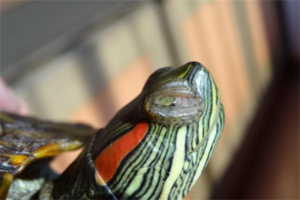
What Are the Symptoms of Turtle White-Eye Disease?
Turtle white-eye disease is a bacterial infection: early signs are a red, whitening nictitating membrane with discharge, worsening to swollen, stuck-shut eyelids and a cloudy cornea, often with lost appetite. Treat with gentle cleaning plus antibiotic eye drops and ointment (and oral antibiotics for severe cases), warm the habitat, and keep water clean to prevent it.

Why Do Dogs Develop Lyme Disease?
Lyme disease in dogs is caused by Borrelia burgdorferi transmitted through tick bites, with only a small fraction of infected dogs showing symptoms such as fever, joint swelling, or kidney issues. A vet confirms diagnosis via blood or urine tests, and treatment centers on a course of antibiotics.
How to Help Your Cat Pass Hairballs — 5 Easy Ways
Preventive hairball care starts with cat grass or hairball tablets; if shedding is heavy or mild hairball symptoms appear, a hairball paste helps. Daily play with a wand or laser for 20–30 minutes also moves the gut and lets hair pass naturally.

Is Free-Roaming the Right Choice for Your Cat?
Letting a cat roam freely satisfies its natural instincts and supports social and physical development, but it also exposes the cat to traffic, predators, toxins, and infectious diseases. Responsible owners should weigh these risks against the benefits and use safeguards such as safe collars, parasite prevention, and contained outdoor spaces.

Why Do Hamsters Have Such Strong Self-Healing Ability?
A hamster heals fairly well because its small size and faster metabolism repair damaged tissue quicker; its rest-by-day lifestyle also saves energy for recovery. But self-healing has limits — severe injury or illness needs a vet. Feed a balanced diet (no chocolate, caffeine, or high-sugar/salt/fat food), keep a clean, roomy cage, give daily company, and get regular checkups.