Search Results
52 results for “predators”
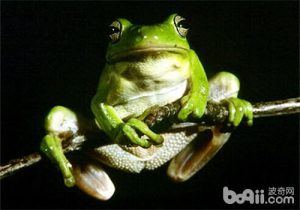
Wallace’s Flying Frog
Wallace's flying frog (Rhacophorus nigropalmatus), also called the black-webbed tree frog, is a gliding frog of the rainforests of Malaysia and Indonesia. With its large webbed feet it can glide up to 15 meters between trees, and in captivity it needs a tall, humid, planted enclosure with secure walls.

Northern Ornate Box Turtle
The Northern Ornate Box Turtle is a desert-dwelling box turtle of the genus Terrapene, found in the United States and Mexico. Highly drought-tolerant, it stores water well and endures arid conditions better than other box turtles.
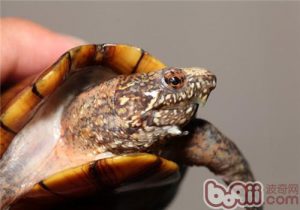
Kinosternon acutum (Tabasco Mud Turtle)
The Tabasco mud turtle (Kinosternon acutum) is a medium-sized mud turtle prized for its vivid head striping, found mainly in the Mexican Caribbean lowlands. It is rarer than the narrow-bridged musk turtle and seldom seen on the market.
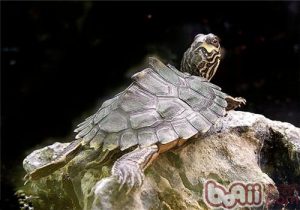
Graptemys pulchra (Alabama Map Turtle)
The Alabama map turtle resembles the red-eared slider in habits, with head striping and a protruding keel. Named for its map-like yellow markings, it feeds mainly on aquatic clams and snails, crushing shells with its hard jaws.
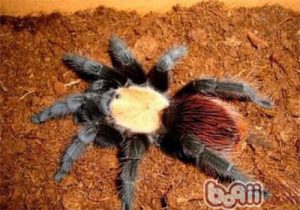
Mexican Golden Back Tarantula
The Mexican Golden Back Tarantula (Aphonopelma chalcodes) is a venomous desert-dwelling spider that can live up to 29 years. Despite its venom, it has a gentle temperament and is increasingly kept as a pet, earning it the nickname 'golden spider.'
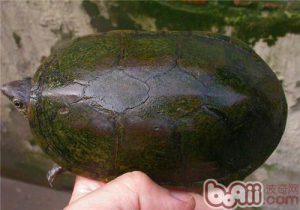
Oaxaca Mud Turtle
The Oaxaca Mud Turtle (Kinosternon oaxacae) is a type of mud turtle that aestivates in summer, burying itself in mud to cool down—hence its name. Living in slow-moving rivers, it hunts fish and shrimp in the water and is an omnivore that leans carnivorous.
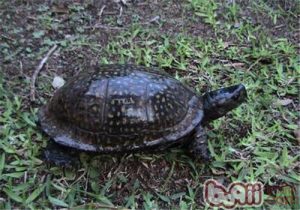
Gulf Coast Box Turtle
The Gulf Coast Box Turtle (Terrapene carolina major) is the largest subspecies of the Common Box Turtle, found along the U.S. Gulf Coast bordering Mexico. A typical omnivore reaching up to 18 cm in carapace length, it grows quickly and is relatively easy to keep.
Why Does a Mother Dog Eat the Umbilical Cord?
Eating the cord is instinct: it takes nutrients (protein, fat, carbs) to regain strength, and it protects the pups by removing the placenta and cord so other animals are not attracted.
Why Is the Razorback Musk Turtle So Aggressive?
Its aggression comes from wild survival - constant threats and a need to fight back - plus a meat-based diet caught by tearing with sharp jaws. It's naturally territorial and defensive.

Why Do Cats Always Nap?
Cats seem always to doze - curled on the sill, sofa, or your lap, several times a day - but it is perfectly normal. Experts find cats are awake only 5 to 9 hours daily.