Search Results
52 results for “predators”

Is It Normal for Cats to Sleep With Their Eyes Open?
A cat sleeping with eyes open is usually normal and tied to its sleep style. In light sleep, cats stay alert with eyes partly open so they can react and escape danger fast; deep sleep closes the eyes. Some cats simply prefer partially open eyes. But eye disease can also cause it, so check for tears or redness.
Why Are Cats So Good at Catching Mice?
Cats have a natural gift for catching mice, and it comes down to biology, instinct, and learned skill. As natural predators, they combine sharp hearing, a flexible body, retractable claws, and excellent night vision to track prey even in the dark. Their hunting instinct—inherited from wild ancestors—gives them quick reflexes and accurate judgment. Add powerful jaws and curved claws that pin a mouse instantly, plus a deep familiarity with rodent habits, and cats become formidable hunters. Even in modern homes, where catching mice is no longer necessary, that instinct survives—shown when a cat pounces on a toy or ambushes its owner in play.
Is It Normal for Dogs to Eat Poop?
About 80% of dogs that eat feces are showing normal behavior, not a disease or a nutrient deficiency. It is tied to evolution, digestion, and instinct rather than bad hygiene. Mother dogs may eat puppies’ feces to hide scent from predators and keep the nest clean; puppies often copy adults or explore the smell of undigested food. But long-term coprophagia with a thin body, frequent soft stools, or low energy deserves attention. This article separates normal from concerning causes—hunger, poor absorption, anxiety, or attention-seeking—and gives vet-style fixes: prompt cleanup, better diet, probiotics, and more companionship.
Chinchilla Twitching: Causes and How to Respond
Occasional mild twitching or trembling in a chinchilla can be perfectly normal—chinchillas often flick their faces to sense air currents and check for danger. However, repeated or severe twitching may point to a nutritional imbalance, chronic stress, or an underlying illness. Calcium or vitamin B1 deficiency, loud or bright stressful environments, and conditions such as liver disease, diabetes, epilepsy, or poisoning can all trigger muscle spasms. Because twitching can be an early warning sign, owners should observe their pet closely and seek veterinary care if the behavior is frequent or comes with other symptoms. A balanced diet, a calm and comfortable habitat, and stable temperatures are the best preventive measures.
Why does my cat pounce on me and then run away?
A cat that pounces on you and then darts off is usually practicing its hunting instinct or trying to get your attention. Domestic cats keep their natural predator drives, and without littermates to play with, a kitten taken home at 2-3 months may rehearse those hunting moves on you - or simply pounce and flee as a way of inviting interaction.
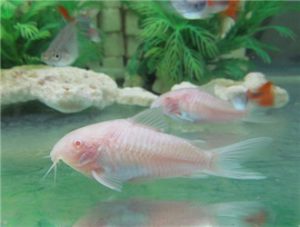
White Corydoras
The White Corydoras is native to South American waters and is now mostly captive-bred. An albino form of the Bronze Cory, it has a milky white body with clear red eyes, is gentle, and is kept in schools. Egg-laying and good with small fish, it suits planted tanks as a bottom fish.
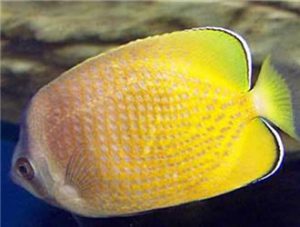
Sunburst Butterflyfish
The Sunburst Butterflyfish (Chaetodon kleinii) is pale tea-colored in front and dark yellow behind. Though not vivid at depth, it is liked by some aquarists and can mix with other butterflies, including its own kind, if added together.

Leaf Fish
The Leaf Fish (Monocirrhus polyacanthus), also known as the Dead-leaf Fish or Many-spined Leaffish, is native to the Amazon River and Guyana. Its body form is so unusual that when motionless on the substrate it is almost indistinguishable from a fallen leaf.

Foureye Butterflyfish
Also known as the Four-spotted Butterflyfish, the Foureye Butterflyfish is mainly distributed in the western Atlantic. Its appearance is highly distinctive, as seen in photos of the species. In the wild it inhabits shallow coral reef areas and usually lives alone or in pairs.
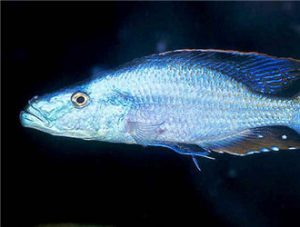
Malawi Eye-biter
The Malawi eye-biter, also called the horseface cichlid, reaches 25 cm as an adult and is native to Lake Malawi in East Africa. Its bizarre, knife-like face and compressed body make it a striking and popular cichlid.